Steel and real estate don't seem like they belong in the same conversation. But in Sault Ste. Marie, they always have been — and right now, what's happening at the steel plant is the single most important thing shaping the local housing market. If you own a home in the Soo, or you've been thinking about buying or selling there, this post is written for you. No fluff, no filler — just an honest look at what the tariff situation is doing to property values, who's feeling it the most, and what your options actually are.
The Steel Industry Is the Heartbeat of Sault Ste. Marie — And It's Under Enormous Pressure
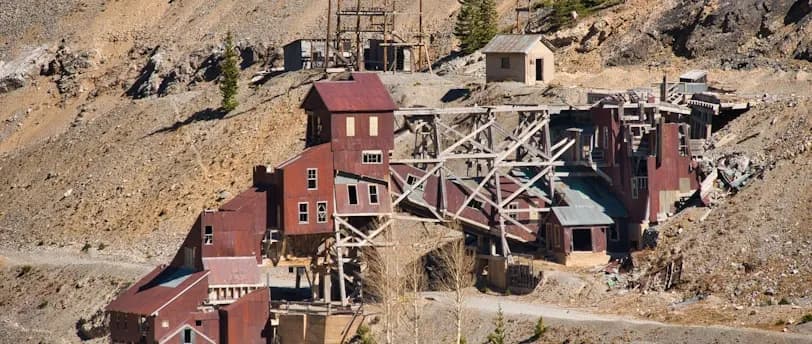
Most Ontario cities have diversified economies. Sault Ste. Marie doesn't, and never really has. The city's identity is built around steel. It always has been. Algoma Steel isn't just the biggest employer in the region — it's the engine that everything else plugs into. Retail, restaurants, tradespeople, contractors, service businesses — a significant chunk of the local economy runs on the wages and spinoff spending that Algoma generates.
So when Washington started throwing tariffs at Canadian steel, Sault Ste. Marie got hit differently than anywhere else in Ontario.
The U.S. tariffs on Canadian steel — which escalated through 2025 and climbed as high as 50% — cut deep into Algoma's ability to compete in its most important export market. The company had spent years building a business model that depended heavily on American customers. When those customers suddenly faced a massive cost penalty for buying Canadian steel, the orders dried up fast.
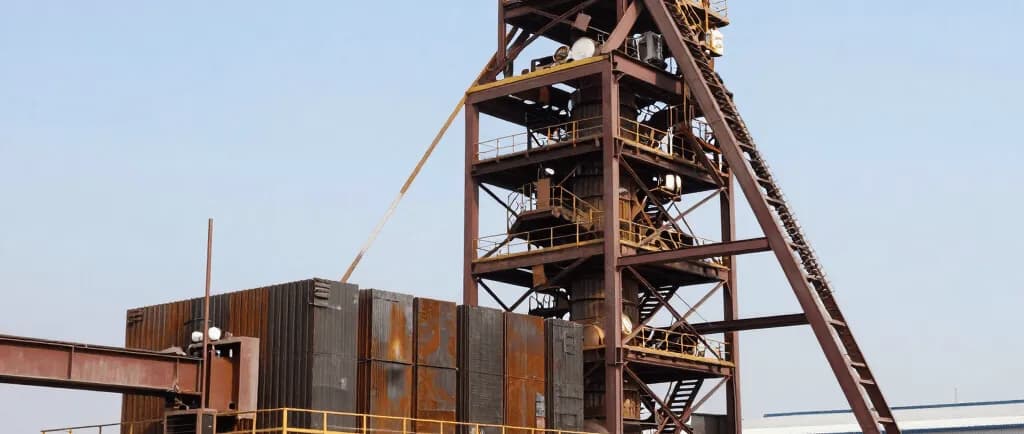
Algoma announced over a thousand layoffs heading into 2026, tied directly to a major operational shift: shutting down its blast furnace operations ahead of schedule and transitioning toward electric arc furnace steelmaking. The long-term plan may be viable. The short-term pain is absolutely real. More than a thousand steelworker families in Sault Ste. Marie are dealing with job losses or the very real threat of them — and that anxiety doesn't stay at the plant gate. It spreads through the community, and it shows up in the housing numbers.
What the Housing Market in Sault Ste. Marie Actually Looks Like Right Now
Let's talk numbers, because that's what matters if you're making a decision about property.
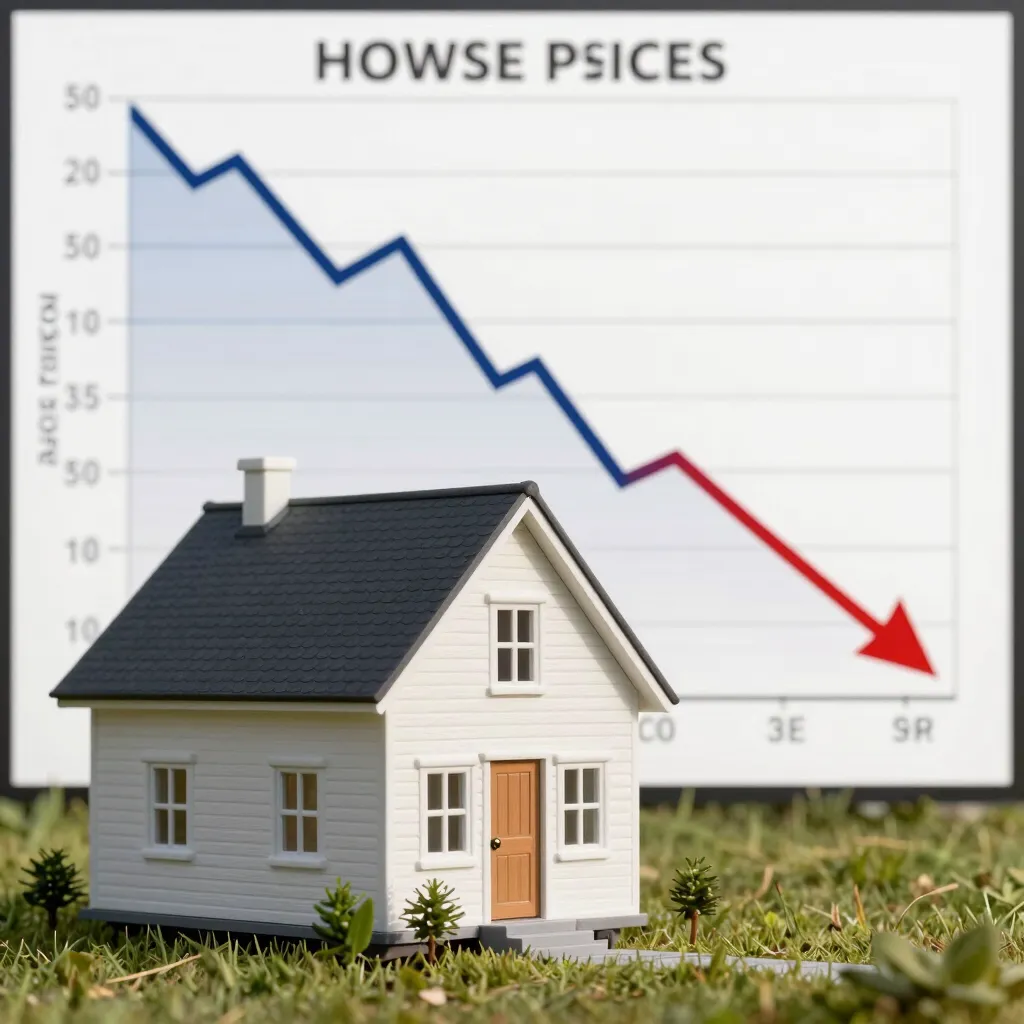
Average home prices in Sault Ste. Marie sat at approximately $353,000 at the end of 2025 — up less than 1% year-over-year. That might sound like stability, but context matters. When you account for inflation, a sub-1% gain is effectively flat or negative in real terms. The market isn't crashing, but it's stalling. And the forward-looking indicators are not encouraging.
Listings have been climbing. Year-over-year, total listing volume jumped nearly 10% in 2025. That increase isn't being driven by people upsizing to better homes. It's being driven partly by distressed investor sellers — people who bought properties during the COVID-era run-up, can't sustain the carrying costs, and are now selling at a loss or heading toward power of sale. The Soo saw a wave of outside investor activity during 2021 and 2022, and those investors are now exiting in significant numbers, adding supply to a market that doesn't have the demand to absorb it cleanly.
Meanwhile, the upper end of the market has largely seized up. Move-up buyers who would normally trade their starter homes for larger properties are sitting tight. The reason isn't hard to find — uncertainty. Nobody wants to stretch their finances for a bigger home when the biggest employer in the city is in the middle of a major restructuring. The $400,000 to $500,000 range, which used to move reasonably well, has gone quiet.
New construction isn't helping either. There are new builds that have been sitting on the market for two-plus years without moving, because the cost to build in the current environment is unpredictable and buyers aren't paying premium prices in a city facing economic headwinds. Developers aren't launching new projects, which means the problem of aging housing stock — already a real issue in the Soo — is going to get worse before it gets better.
Homes are also taking longer to sell. Days on market have increased compared to where they were a year ago, meaning sellers are waiting longer and often compromising more to get deals done.
The short version: Sault Ste. Marie is shifting from a seller's market into a buyer's or balanced market. That transition is being accelerated by the Algoma situation, and it's not going to reverse itself quickly.
The Ripple Effects You Might Not Be Thinking About
Beyond the obvious headline numbers, there are a few under-the-radar dynamics worth understanding.
Rental demand is not picking up the slack. You might think that with more people uncertain about buying, rental demand would be strong. Not in the Soo right now. Two major rental buildings recently opened in the city, adding inventory to a rental market that was already stretched thin in terms of what tenants can afford. Rents remain high relative to local incomes, and with layoffs reducing those incomes further, the rental market is softening too. There is very little appetite among investors to acquire rental properties in this environment — the numbers simply don't work when economic confidence is this low.
Fixer-uppers are being passed over hard. Sault Ste. Marie has always had a large portion of its housing stock that requires meaningful renovation work. In a confident market, buyers will take on a project. Right now, they won't. Buyers want move-in ready. Anything that requires significant work is sitting on the market much longer than it otherwise would, because buyers are cautious about taking on renovation costs when their own employment picture is uncertain.
The psychology of the market has shifted. This one is harder to quantify but absolutely real. When the dominant local employer is restructuring and laying off over a thousand workers, the community feels it. People tighten their spending, delay major purchases, and think twice about committing to a mortgage. Even homeowners whose jobs have nothing to do with Algoma are being cautious, because they understand that a weaker Algoma means a weaker local economy overall, which eventually touches everyone.
Is There a Path Forward, and What Does It Mean for Property Values?
The honest answer is: yes, there's a path forward for Sault Ste. Marie, but it's a longer runway than most people want to hear about.
The electric arc furnace transition that Algoma is undertaking is backed by significant government money — hundreds of millions of dollars in federal and provincial financing. There is also genuine strategic interest in Algoma's steel capacity as Canada looks at domestic shipbuilding opportunities and infrastructure investment. Steel isn't going away from the Soo. It's just going through an ugly transition.
What that means for real estate is that the market is unlikely to collapse, but it's also unlikely to recover quickly. The Soo doesn't have the population growth, the tech sector, or the interprovincial migration tailwinds that are driving prices up in other Ontario markets. It's a city that depends on industrial employment, and that employment base is contracting in the short term.
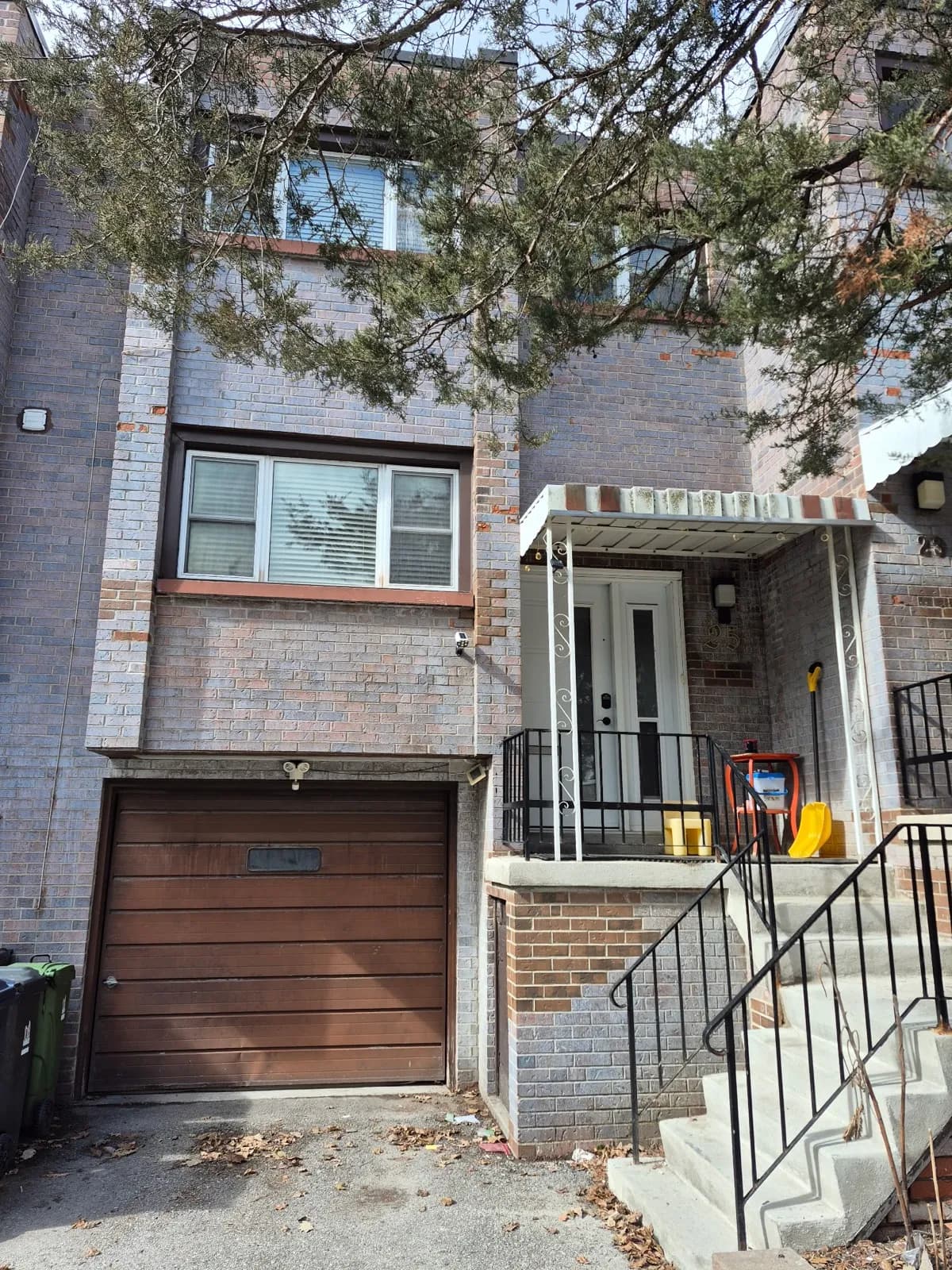
Properties in the $300,000 and under range are actually moving reasonably well right now, particularly for first-time buyers who are stepping into a market where prices haven't run away from them the way they have in southern Ontario. If you're a buyer with stable employment and a long time horizon, there are real opportunities. But if you're a seller who bought at the peak or is sitting on a property that needs work, the market is going to test your patience.
If You Own a Property in Sault Ste. Marie and Need to Sell, Here's What You Should Know
There's no shame in being in a difficult position. A lot of homeowners in the Soo right now are dealing with circumstances that have nothing to do with choices they made — tariffs imposed by a foreign government, company restructuring decisions made in boardrooms, economic forces they had no control over.
If you're in a situation where you need to sell your Sault Ste. Marie property and the traditional listing route feels too slow, too uncertain, or too expensive, selling directly to a cash buyer is worth understanding. A direct sale means no open houses, no conditional offers that fall apart, no waiting three to six months while the market does what it's going to do. You get a firm offer, a clear closing timeline, and you move on with certainty.
That's especially relevant if your property is in need of renovation, has tenant complications, is heading toward power of sale, or if you simply don't have the time or resources to go through a full MLS process in a softening market.
We buy properties throughout Ontario, including the Sault Ste. Marie area, in any condition and any situation. If you want to understand what your options look like, reach out — there's no obligation and no pressure, just a straightforward conversation about what your property is worth and what a direct sale would look like for you.
The Bottom Line
The steel tariff situation is not a blip. It's a structural economic disruption that is reshaping Sault Ste. Marie's employment base and, by extension, its real estate market. Home prices are stalling, listings are rising, upper-end activity has dried up, and the overall market is transitioning to favour buyers.
That doesn't mean the city is in freefall — it isn't. But it does mean that anyone who owns property in the Soo needs to make decisions with clear eyes about what the next few years look like, and what their personal situation can actually sustain.
If you have questions about the Sault Ste. Marie market or want to explore a cash sale, visit sellyourpropertyinontario.ca or reach out directly. We know the Ontario market, we close fast, and we work with homeowners in exactly the kinds of situations this market is creating.