There's something different happening in Timmins right now, and it's not what most people outside of northeastern Ontario are paying attention to. While real estate headlines across the province focus on the GTA correction, rate uncertainty, and affordability crises in Hamilton or Ottawa, Timmins is quietly becoming one of the more interesting real estate stories in all of Ontario. The mining sector is expanding in ways the city hasn't seen in over a generation. New projects are in development, job postings are climbing, and the properties that sat on the market for months are starting to move faster. If you own property in Timmins or the surrounding Cochrane District, this post breaks down exactly what's happening in the mining economy and why it matters to what your home is worth today — and what it could be worth twelve months from now.
Timmins Was Built on Mining and Mining Is Getting Bigger
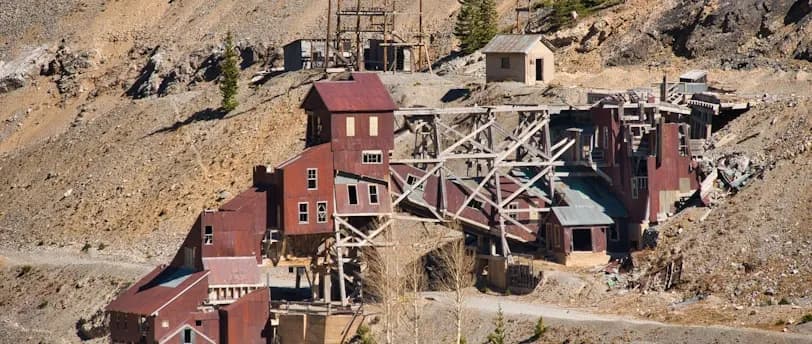
Timmins has been a gold town since the Porcupine Rush of the early 1900s and the opening of the Hollinger Mine, which ran for the better part of a century. The city's relationship with underground ore has always been central to who it is and how it functions economically. When mining slows down, Timmins feels it everywhere — restaurants, contractors, retail, you name it. When mining is active and growing, the opposite happens, and right now, it's growing.
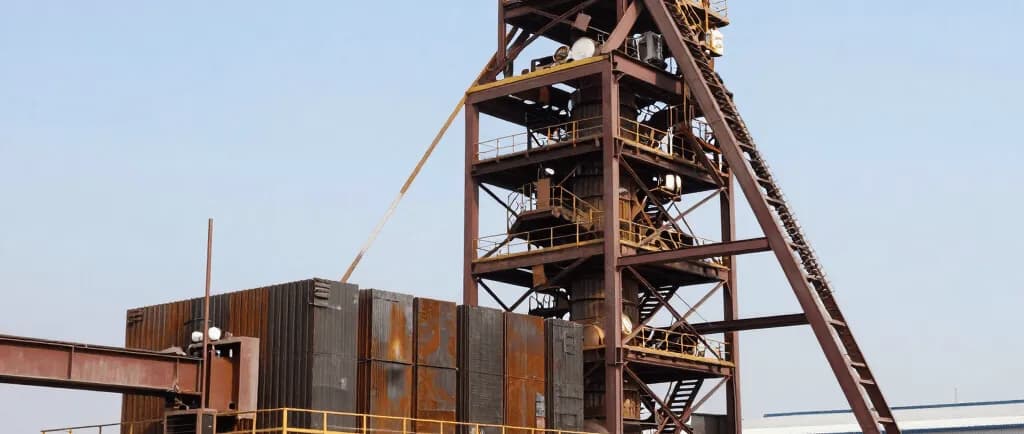
The gold operations that have anchored the Timmins economy for decades are still very much active. Pan American Silver's Timmins West Mine is one of the most consistently productive underground gold operations in the country. Agnico Eagle, one of the largest gold producers globally, maintains a meaningful presence in the region. Gowest Gold is advancing its Bradshaw Mine project north of the city, which would add additional employment to an already tight skilled trades market. These aren't exploration plays or junior companies with a map and a prayer — these are producing assets with real payrolls attached to them.
But the headline that most Timmins residents are watching closely is the Crawford Nickel Project, being developed north of the city. This isn't a small development. The project is being positioned as one of the largest nickel deposits in Canada, which matters enormously given the federal and provincial governments' aggressive push into critical minerals. Construction is expected to break ground in 2026, and when it's operational, projections suggest the project will support over a thousand permanent jobs in addition to the construction workforce. That's a massive injection of high-wage employment into a city of roughly 41,000 people. Even before a single ore truck rolls, the anticipation alone is shifting how people think about buying and selling property here.
The Ontario government has also been actively streamlining mining approvals through legislation designed to accelerate critical mineral development. That regulatory tailwind is real, and it's already being felt in the number of exploration companies staking claims and advancing projects throughout the Timmins gold camp.
What This Means for the Timmins Housing Market Right Now
Let's get into the actual numbers, because that's what matters when you're making a decision about property.
Sales volume across the Timmins, Cochrane and Timiskaming Districts board finished 2025 up over 11% year-over-year, with more than 1,300 homes changing hands over the course of the year. That increase in activity is significant — it suggests genuine buyer demand, not just a handful of deals getting done. Monthly inventory levels also tightened considerably. Months of supply dropped from over five months to 3.4 months by the end of December 2025, which is well inside seller's market territory. For context, anything under four months typically means buyers are competing for limited supply, which puts upward pressure on prices.
Average prices in the region sit around the $265,000 to $290,000 range depending on the month and property type, with annual averages holding at roughly $291,000 in 2025 — up modestly from the year prior. Those numbers might look modest to someone coming from Toronto or even Barrie, but they represent something genuinely interesting for investors and local homeowners alike: relative affordability combined with improving fundamentals.
The median price for a detached single-family home softened slightly mid-2025 to around $280,000, but the context here matters. That dip came during a period of broader Ontario market hesitation tied to interest rate uncertainty. As the Bank of Canada moved to reduce rates through the back half of 2025, demand in resource-based northern communities like Timmins responded faster than many more expensive southern markets — because at these price points, even modest rate improvements translate directly into affordability for a broader pool of buyers.
Homes are currently spending an average of around 28 days on market for detached properties that are priced and presented well. That's a reasonable pace for a market of Timmins' size, and it's meaningfully better than the 90-plus days some properties were sitting in the leaner years.
Why Mining Wages Change Everything for Local Real Estate
Here's something that often gets overlooked when people analyze smaller-city real estate markets: the composition of local wages matters as much as the volume of jobs.
Mining is not a minimum wage industry. Underground miners, heavy equipment operators, mine engineers, environmental technicians, and tradespeople working in the Timmins mining sector routinely earn between $70,000 and $130,000 annually. These are dual-income households in many cases, which means mortgage qualification capacity in the $400,000 to $600,000 range. In a city where average homes are selling in the $265,000 to $290,000 range, that wage base creates substantial purchasing power relative to what's actually for sale.
When the Crawford Nickel project moves into full construction and then operations, it adds another layer of that same dynamic. Construction workers on major mine builds aren't earning entry-level wages — they're earning premium pay with substantial overtime. Those workers need places to live, and they tend to buy rather than rent when they're planning to stay for the multi-year arc of a major project.
The rental side of the market is also worth paying attention to. With homeownership rates in Timmins sitting around 70%, and rental vacancy rates already tight in the city, any meaningful increase in the workforce from mining expansion creates immediate pressure on the rental market. That's a significant consideration for anyone who owns income property or is thinking about acquiring one.
The Neighbourhoods and Property Types Seeing the Most Movement
Not all parts of Timmins are reacting equally to these economic shifts.
The south end of Timmins — areas around Mountjoy and the newer residential developments near Theriault Boulevard — has been attracting move-up buyers who work in the mining sector and want newer or larger homes. These are households with stable employment and real purchasing power, and they're driving activity in the $300,000 to $450,000 range.
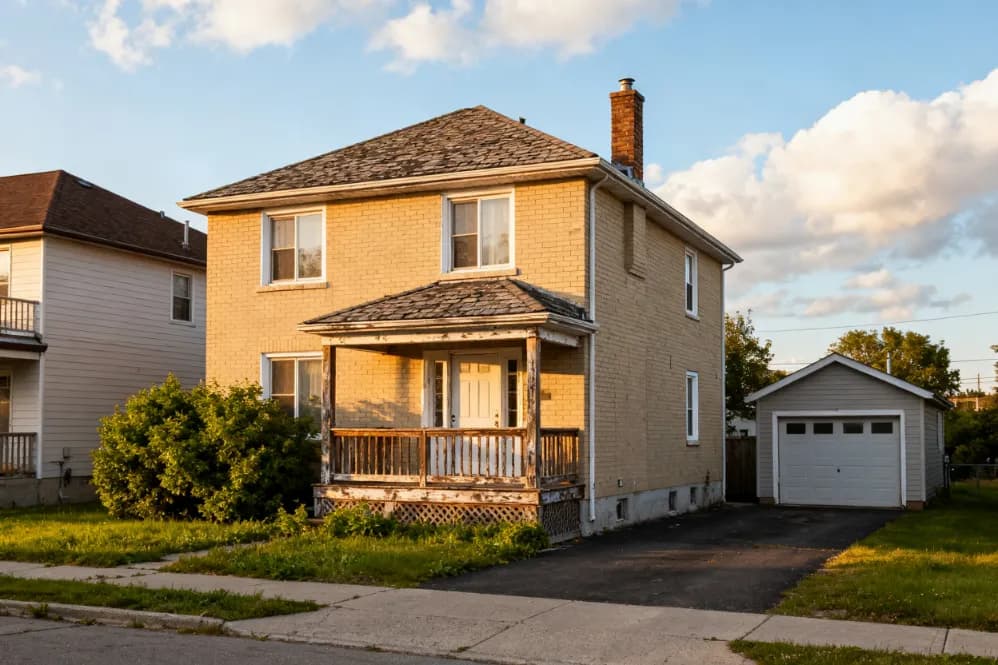
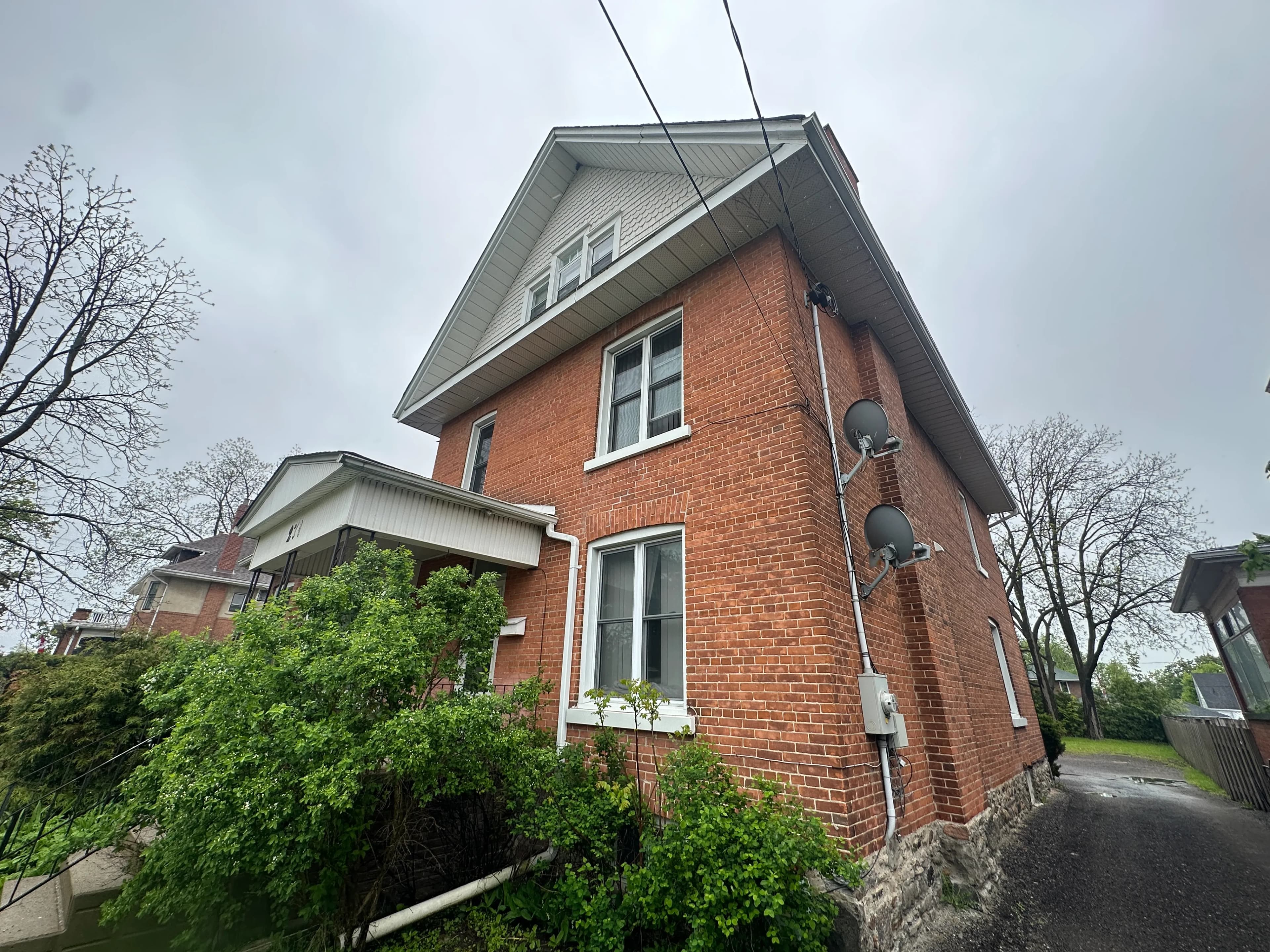
The older stock in areas like Porcupine, Schumacher, and Connaught represents a different dynamic. These are more affordable entry points — some homes in genuinely original condition priced in the $150,000 to $220,000 range — that are attracting first-time buyers and some investors. The trade-off is that many of these properties need updating, and the local renovation contracting market is tight because those trades are being pulled into the mining projects. Getting a reliable contractor to do a kitchen or bathroom renovation in Timmins right now takes patience and advance planning.
Multi-family and small income properties have been receiving increasing attention from out-of-market investors who recognize that at current price points and with current rental demand, cash flow is actually achievable in Timmins in a way it simply isn't in most of southern Ontario.
What About the Risks? A Honest Look at the Other Side
This wouldn't be a useful post if it didn't acknowledge the risks alongside the opportunities.
Mining economies are cyclical. Gold prices fluctuate. Project timelines get pushed. Regulatory approvals stall. Anyone who lived through a down cycle in a northern Ontario mining community understands that what the industry gives, it can also take away. The Crawford Nickel project is not built yet, and until it is, its impact on the Timmins economy is based on projections and timelines that could change.
There's also the reality that Timmins has been losing population gradually over the past two decades, a trend driven by younger residents leaving for larger urban centres for education and career opportunities. Population growth is the single most reliable long-term driver of real estate values, and Timmins' ability to retain and attract residents will ultimately depend on whether the mining expansion translates into a broader diversification of the local economy.
The properties that face the most headwind in this environment are dated, high-maintenance homes outside the core demand corridors — particularly anything that requires substantial capital investment to make marketable. Even in a strengthening market, buyers in Timmins are increasingly discerning about condition.
Should You Be Buying, Holding, or Selling in Timmins Right Now?
That depends almost entirely on your personal situation, your time horizon, and your financial position.
If you're a long-term local resident with no immediate need to sell, holding makes sense in an environment where employment fundamentals are improving and inventory is tightening. Values are more likely to drift upward than downward over the next two to three years if the Crawford project proceeds and gold operations continue at current levels.
If you're an investor looking at northern Ontario and you haven't seriously looked at Timmins, the numbers deserve attention. Entry price points are still low enough that positive cash flow is achievable, and the demand drivers going forward are real, not speculative.
If you own a property and need to sell — whether because of a job change, a life change, a financial situation, or simply because you're done managing it — the market is more receptive right now than it was eighteen months ago. But "more receptive" doesn't mean every property sells itself. Condition, pricing, and presentation still matter, and the buyers in this market know what homes are worth.
If you're dealing with a property that's in rough shape, has tenants, or comes with complications that make an MLS listing feel like more trouble than it's worth, a direct cash sale is worth understanding. No open houses, no conditions, no waiting. You get a clear number and a firm close date, and you're done.
If You Need to Sell Your Timmins Property, We're Here
We buy properties across all of Ontario, including Timmins and the surrounding Cochrane District — in any condition, any situation. Inherited properties, long-term rentals, homes that need major work, properties caught in financial hardship, power of sale situations — we've seen it all and we close fast.
If you want to know what your property is worth and what a direct sale looks like for you, reach out at sellyourpropertyinontario.ca. No pressure, no obligation, just a straight conversation about your property and your options.
The Short Version
Timmins in 2026 is a market worth taking seriously. The mining sector is expanding, not contracting. The Crawford Nickel project represents a generational employment catalyst. Gold operations are active and hiring. Inventory is tightening, sales volume is up, and the wage base that drives real estate purchasing power is strong.
It's not a frothy market, and it's not without risk. But for buyers looking for affordability, investors looking for cash flow, and sellers trying to time a reasonable exit, the fundamentals right now are better than they've been in years.