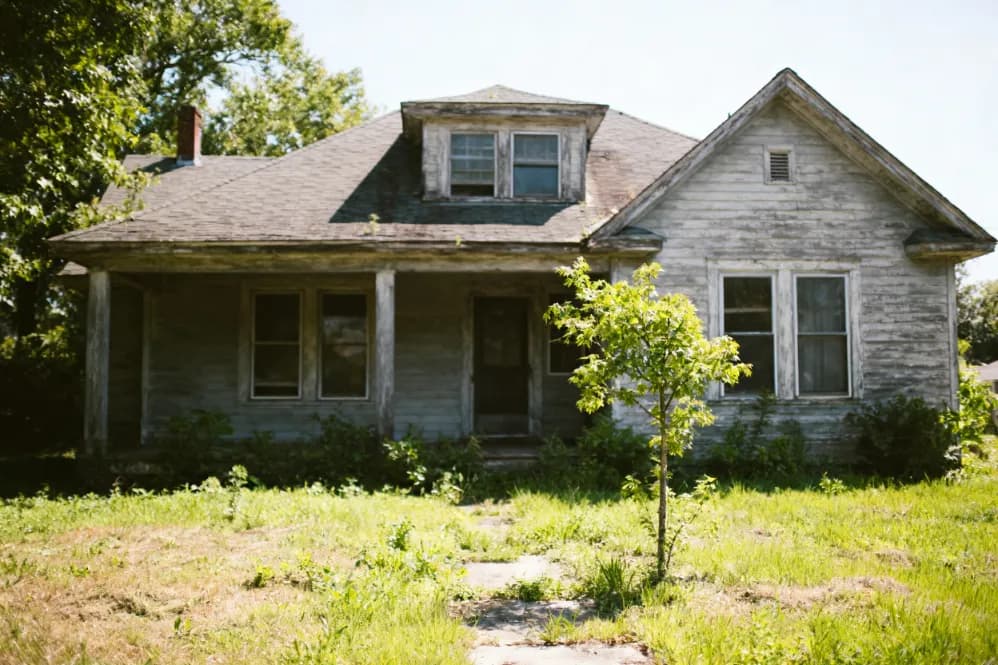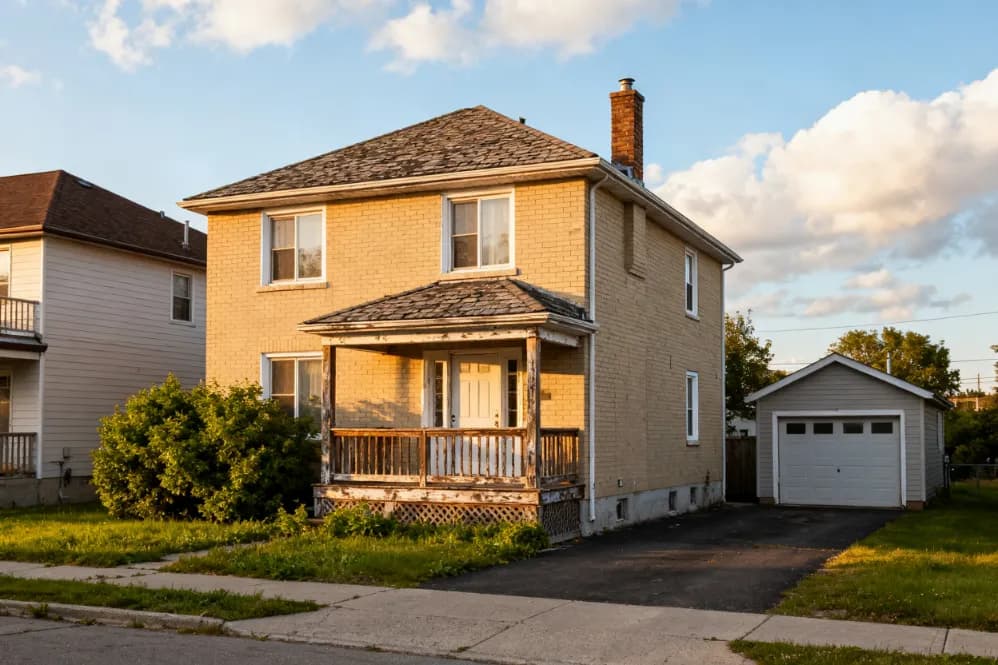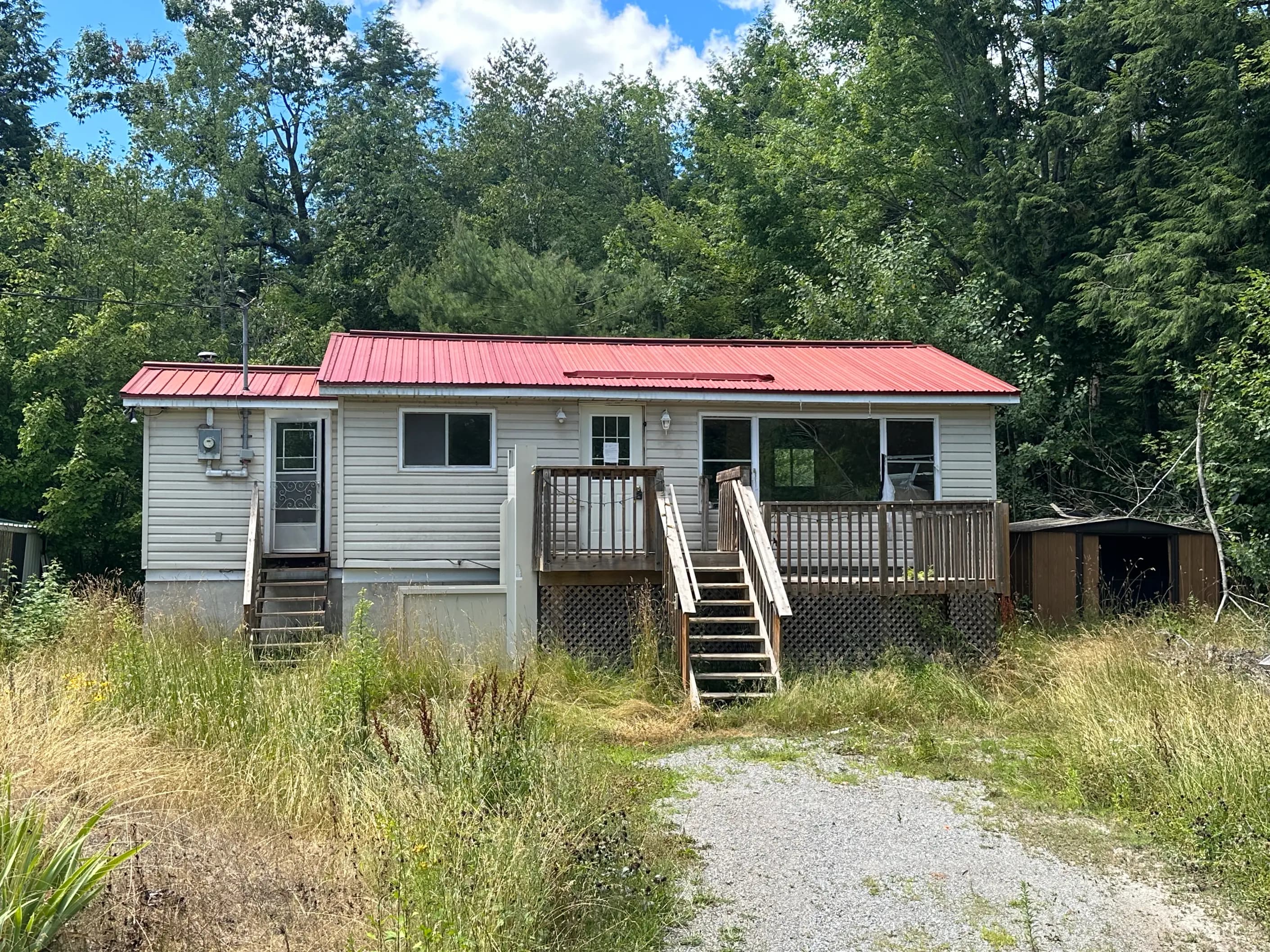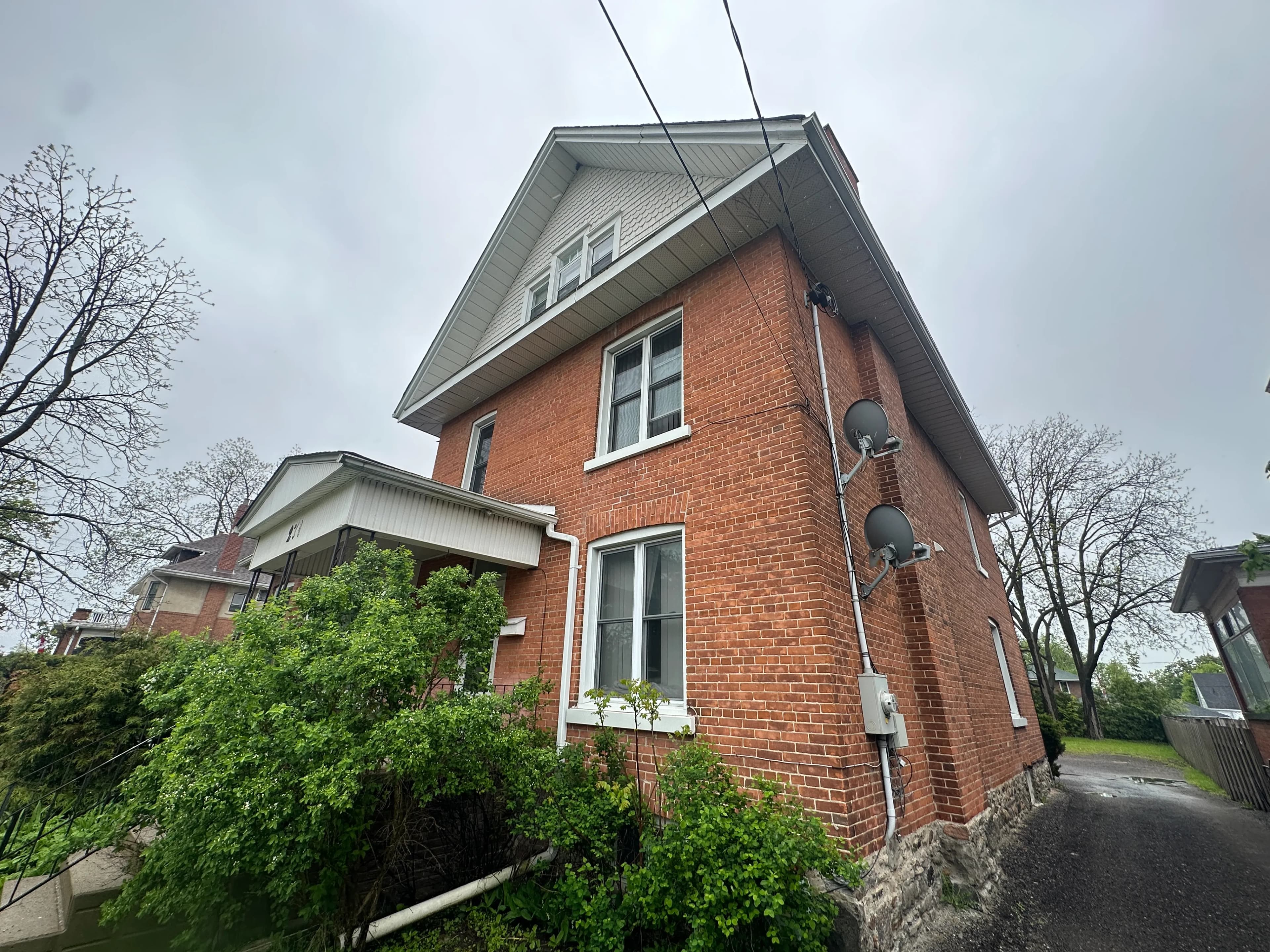
If your house has been through a fire, the fastest and least stressful way out is usually to sell it as-is to a cash buyer, settle the insurance side with your lawyer, and close on your own timeline instead of pouring months and money into repairs. A fire-damaged home is one of the hardest properties to sell the traditional way, because most buyers and their lenders will not touch it. This guide walks through why that is, how your insurance claim fits into a sale, what you are legally required to disclose in Ontario, and how an as-is cash sale lets you skip the rebuild entirely.
At Sell Your Property in Ontario, we buy fire- and smoke-damaged houses across the province in any condition, with no commissions and no repair demands. Whether the damage is confined to one room or the structure is a full loss, here is what every owner should understand before deciding what to do next.
Why Traditional Buyers and Lenders Shy Away from Fire Damage
Fire damage scares off the everyday buyer for reasons that go well beyond the charred walls they can see. Even after a fire is out, a home can carry hidden problems: compromised framing, warped roof trusses, melted or heat-stressed wiring, water damage from the fire hoses, and a stubborn smoke odour that seeps into drywall, insulation, and ductwork. A family shopping for a move-in-ready home simply does not want to inherit that uncertainty, and the pool of buyers willing to take it on is small.
The bigger obstacle is financing. Most buyers need a mortgage, and lenders order an appraisal before they release funds. A property with visible fire damage, or one an appraiser flags as unsafe or uninhabitable, will usually fail to qualify for a standard mortgage. Insurers are just as cautious about writing a new policy on a damaged structure, and without insurance the lender will not fund the deal. That combination means even a motivated buyer often cannot close, which is why fire-damaged listings tend to sit, collect lowball offers, or fall apart at the financing stage.
Repair the Home First, or Sell It As-Is?
Once the smoke clears, most owners face a fork in the road, and the right answer depends on the extent of the damage and your appetite for the work.
Rebuilding can make sense if the damage is limited and your insurance is covering a full restoration through a reputable contractor. But major fire repairs in Ontario often stretch across months, involve permits and inspections, and expose problems the original estimate missed once the walls are opened up. You also carry the property, its taxes, and its insurance the entire time, and there is no certainty the finished home will sell for enough to justify the effort.
Selling as-is skips all of that. You hand the property over in its current state, let the buyer take on the rebuild, and move on with cash in hand. If you are weighing a restoration against a quick sale, our overview on how to sell your property lays the options out side by side so you can compare the timelines and the true costs.
How Your Insurance Claim Proceeds Fit into a Sale
Insurance is where a fire sale gets more complicated than a normal one, so it is worth understanding the moving parts before you sign anything.
If you still have an open claim, the money your insurer pays out is tied to the property and, in most cases, to your mortgage. Lenders are typically named as a loss payee on the policy, which means they have a first claim on the insurance proceeds up to the balance you owe. Depending on how your claim is settled, those funds may go toward repairs, get applied against your mortgage, or be released to you.
When you sell a fire-damaged house, you and the buyer decide how the claim is handled. In many as-is sales, the seller settles the claim and keeps the payout while selling the property at a price that reflects its damaged condition, so you are not paid twice for the same loss. In other deals, an unsettled claim or the right to certain proceeds is negotiated into the sale. These arrangements have real tax and legal consequences, and the numbers only work if the mortgage payout, the insurance settlement, and the sale price all line up. Loop in your insurer, your adjuster, and a real estate lawyer early so nothing falls through the cracks at closing.
Your Duty to Disclose Fire and Smoke Damage in Ontario
Ontario largely follows the principle of caveat emptor, or buyer beware, but that does not let you hide what you know. Sellers here have a legal duty to disclose known latent defects: serious hidden problems that a buyer could not reasonably spot during a normal inspection and that make the home dangerous or unfit to live in. Past fire damage, and especially the structural, electrical, or mould issues it can leave behind, is exactly the kind of defect the courts have treated as material.
A few practical points for Ontario owners:
- Patent (visible) damage that a buyer can plainly see is generally their responsibility to notice, but you still cannot actively conceal or misrepresent it.
- Latent damage you are aware of, such as fire-weakened framing hidden behind new drywall, must be disclosed. Staying quiet can expose you to a lawsuit after closing.
- A Seller Property Information Statement (SPIS) is optional in Ontario, but if you complete one, your answers have to be truthful.
Selling as-is does not erase the duty to disclose, but it does make the conversation straightforward. You are telling the buyer plainly that the home has fire damage, they are buying it with that knowledge, and there is no repainting over the truth. Because the line between patent and latent can get blurry, confirm exactly what to put in writing with a real estate lawyer before you list or sign.
How a Cash Buyer Purchases a Fire-Damaged House As-Is
Selling directly to a cash buyer removes the two things that sink most fire-damaged deals: the need for repairs and the need for buyer financing. Because we pay cash, there is no lender appraisal to fail and no insurer refusing to write a policy on a damaged home. Here is how we keep it simple:
- You reach out with a few details about the property and the fire. There is no cost and no obligation.
- We assess the home as it stands and provide a fair cash offer, often within 24 hours.
- We book one scheduled walkthrough at a time that works for you, so there are no open houses and no staging.
- You pick the closing date. We can close in as little as 7 days, though many sales land in the 7 to 15 day range depending on your needs.
Because we buy as-is, you skip the demolition, the restoration quotes, and the clean-out entirely. You can leave damaged or unwanted belongings behind, and there are no commissions or agent fees carved out of your proceeds. This route is common for owners who inherited a damaged home they never planned to rebuild, and our guide on selling an inherited property covers that situation in more detail. Whether the house sits in Toronto, Hamilton, or a smaller town, we buy across Ontario and handle the paperwork so you can close the chapter and move on.
Get a Cash Offer for Your Fire-Damaged Ontario House
A house that has been through a fire does not have to become a years-long rebuild or a listing that never sells. You can hand it over in its current condition, settle the insurance side cleanly, and walk away with cash on a reliable, predictable timeline.
At Sell Your Property in Ontario, we buy fire- and smoke-damaged homes across the province, as-is and with no fees. Call us at 647-495-4260 or reach out through our contact page for a fair, no-obligation cash offer, usually within 24 hours. 📞
This isn't legal, financial, or tax advice — every situation turns on its own facts, so confirm the specifics with a real estate lawyer, accountant, or your insurer before making an irreversible decision.