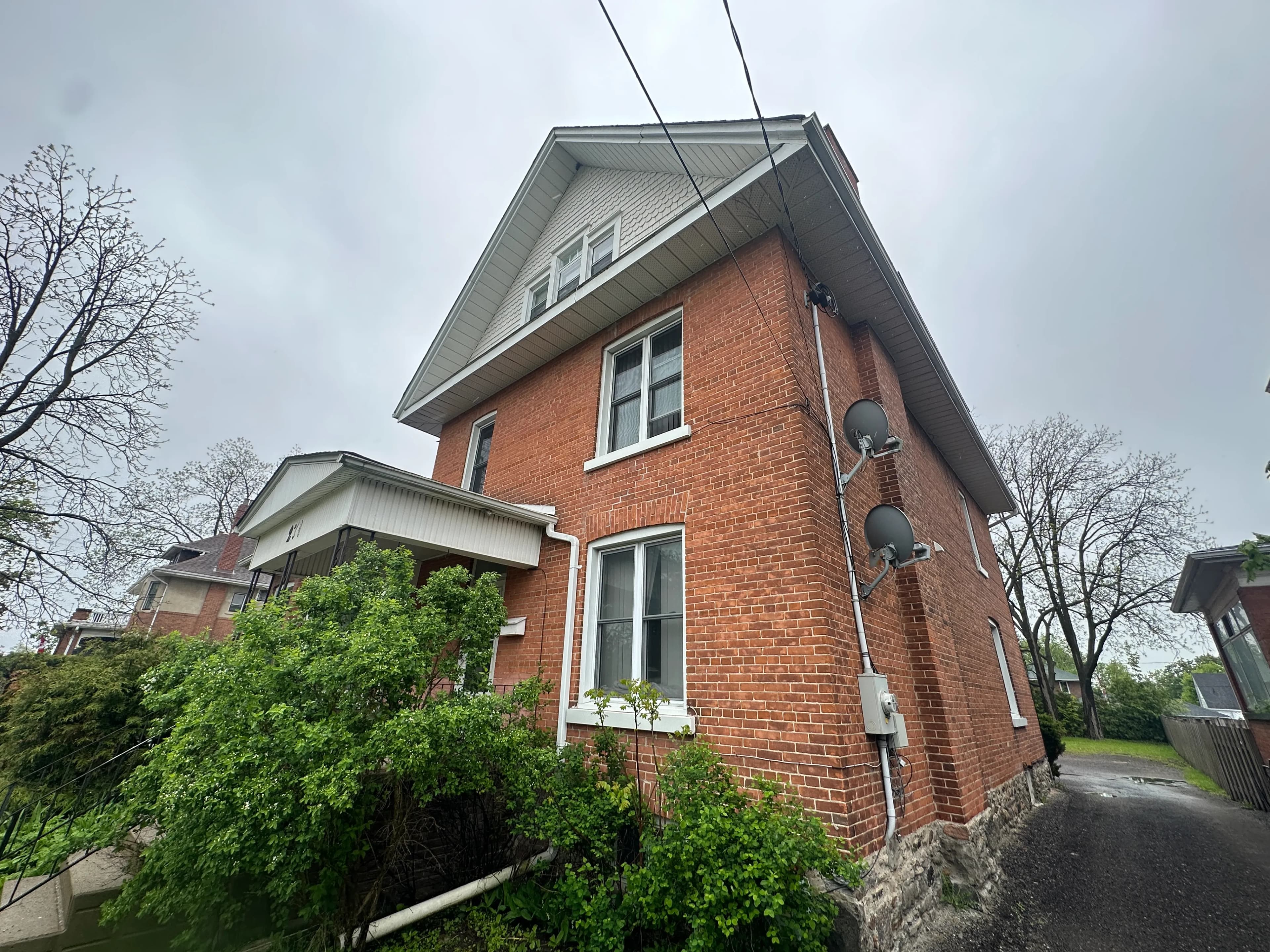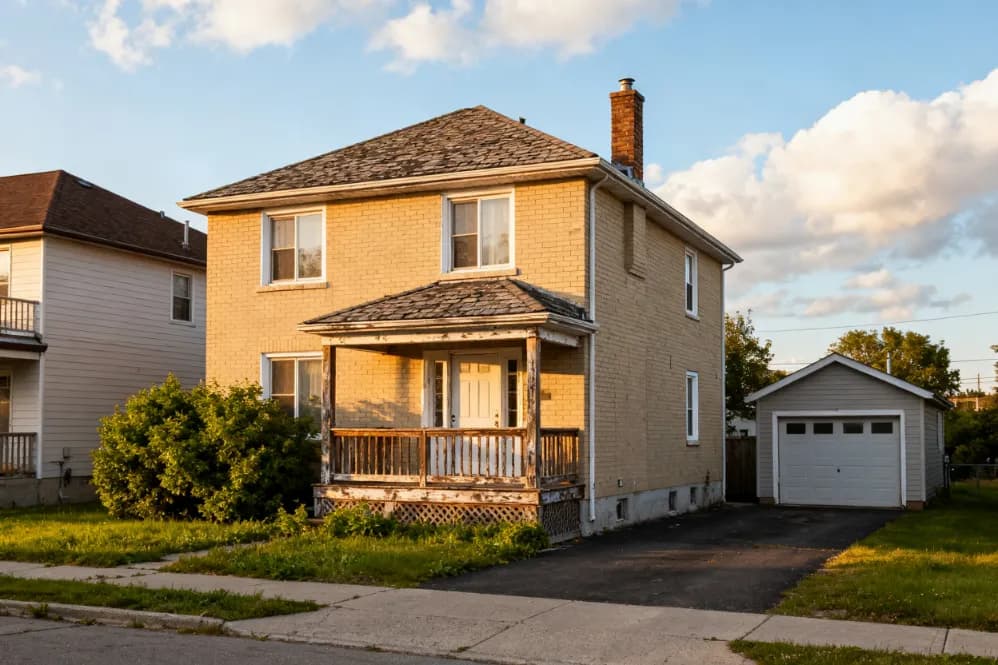
Mould in the basement or water stains on the ceiling can make a home feel unsellable—but it isn't. You can absolutely sell a house with mould in Ontario, water damage included, and you don't have to remediate a single square foot first. Ontario law lets you sell a property in its current condition, as-is, so long as you're honest about what you know.
The catch is the "honest" part. Ontario follows caveat emptor—"buyer beware"—but that rule has real limits when a defect is hidden or dangerous. This guide breaks down what you must disclose, why mould and water damage frighten off traditional buyers, and how selling to a cash buyer like Sell Your Property in Ontario lets you skip the repairs entirely.
Can You Sell a House With Mould or Water Damage in Ontario?
Yes. There's no law forcing you to fix mould, dry out a flooded basement, or replace water-damaged drywall before you sell. Plenty of Ontario homes change hands every year with active moisture problems, and cash buyers and investors specifically look for them.
What you can't do is hide a problem you know about. The difference between a smooth sale and a lawsuit down the road usually comes down to disclosure—so let's start there.
What You Must Disclose: Patent vs. Latent Defects
Ontario real estate runs on the principle of caveat emptor, or "buyer beware." In plain terms, buyers are expected to inspect a property and satisfy themselves about its condition. But the courts draw a sharp line between two kinds of defects:
- Patent defects are visible or easily discovered on a reasonable inspection—a water-stained ceiling, buckled flooring, or obvious mould along a baseboard. Under caveat emptor, you generally aren't required to point these out; it's on the buyer to notice them.
- Latent defects are hidden problems a buyer couldn't reasonably find—mould sealed behind a freshly painted wall, or a chronic leak concealed under new flooring. If you know about a latent defect that makes the home dangerous or unfit to live in, Ontario courts have repeatedly held that you must disclose it.
Water damage is tricky because it's often both. The stain on the ceiling is patent; the rotted joist and mould colony above it may be latent. If you've had a flood, a burst pipe, or a chronic leak and you know the hidden extent of it, the safe course is to disclose it in writing.
Ontario sellers sometimes use a Seller Property Information Statement (SPIS), but it's voluntary—many sellers and lawyers choose not to complete one. Whether you disclose through an SPIS, a clause in the agreement, or a direct conversation, get it in writing and keep a copy. Because the line between patent and latent can be genuinely blurry, confirm exactly what you need to disclose with a real estate lawyer before you sign anything.
Why Mould and Water Damage Scare Off Buyers
Even when you disclose everything properly, mould and water damage make a traditional sale hard. Here's why buyers walk away:
- Remediation is expensive and unpredictable. Professional mould removal and water-damage repair often uncover more problems once the walls come open—rot, compromised framing, damaged insulation. Buyers fear the final bill will balloon far past the estimate.
- Financing gets complicated. Mortgage lenders may order an inspection or appraisal, and visible mould or structural water damage can lead to a lower appraisal, a holdback, or a declined mortgage until repairs are done.
- Insurance headaches. Insurers are wary of homes with a water-loss history or active mould, and some hesitate to write a policy—which can stall a buyer's financing entirely.
- Health worries. Mould raises legitimate concerns about air quality, especially for buyers with young children or respiratory issues. That fear alone thins out your buyer pool.
Add it up and a traditional listing for a mould- or water-damaged home often means price cuts, failed inspections, and deals that collapse on the financing condition. Even in busy markets like Toronto and Hamilton, older housing stock with basement moisture can sit on the market while cleaner listings sell.
Should You Remediate First, or Sell As-Is?
You essentially have three paths:
- Fix everything, then list. You pay for full remediation up front, restore the finishes, and list on the MLS. This can fetch the highest headline price, but you carry the cost and the risk—and remediation projects have a habit of running long and over budget.
- List as-is on the open market. You can list without repairs, but you'll still face traditional showings, open houses, and staging expectations, plus buyers who low-ball to cover the unknowns. The financing and insurance snags remain.
- Sell as-is to a cash buyer. You skip repairs, cleaning, and staging entirely, and sell the property in its exact current condition.
For many owners dealing with mould or water damage, the math favours selling as-is—especially once you factor in months of carrying costs, the stress, and the very real chance a repaired home still scares off a nervous buyer.
How a Cash Buyer Handles Mould and Water Damage
This is where a company that buys homes as-is changes the equation. At Sell Your Property in Ontario, we purchase houses in any condition across the province—mould, flood damage, rot, and all. We aren't looking for a spotless home; we expect to handle remediation ourselves, and we build that into our offer.
Here's how it works:
- We do one scheduled walkthrough of the property—no open houses, no staging, no cleaning up before we arrive.
- We factor the remediation cost into a fair, no-obligation cash offer, usually within 24 hours.
- Because we pay cash, there's no lender appraisal or financing condition to derail the deal, so we can close in as little as 7 days—typically 7 to 15—on the timeline that suits you.
- There are no commissions or fees, and you can leave behind anything you don't want to move.
You can see exactly how the process works on our how to sell your property page. The result is a fast, reliable sale without pouring money into repairs you'll never fully recoup.
A Quick Legal Note
Disclosure obligations turn on the specific facts—what you knew, when you knew it, and how serious the defect is. This isn't legal advice—every situation turns on its own facts, so confirm your disclosure duties and any paperwork with a licensed Ontario real estate lawyer before making an irreversible decision.
Sell Your Mould- or Water-Damaged Home the Easy Way
You don't have to gut a basement or fight with insurers to move on. Whether it's a slow leak, a full flood, or a mould problem you'd rather not tackle, we'll make you a fair cash offer and buy the home as-is.
📞 Contact us today at 647-495-4260 for a free, no-obligation cash offer on your Ontario property.