
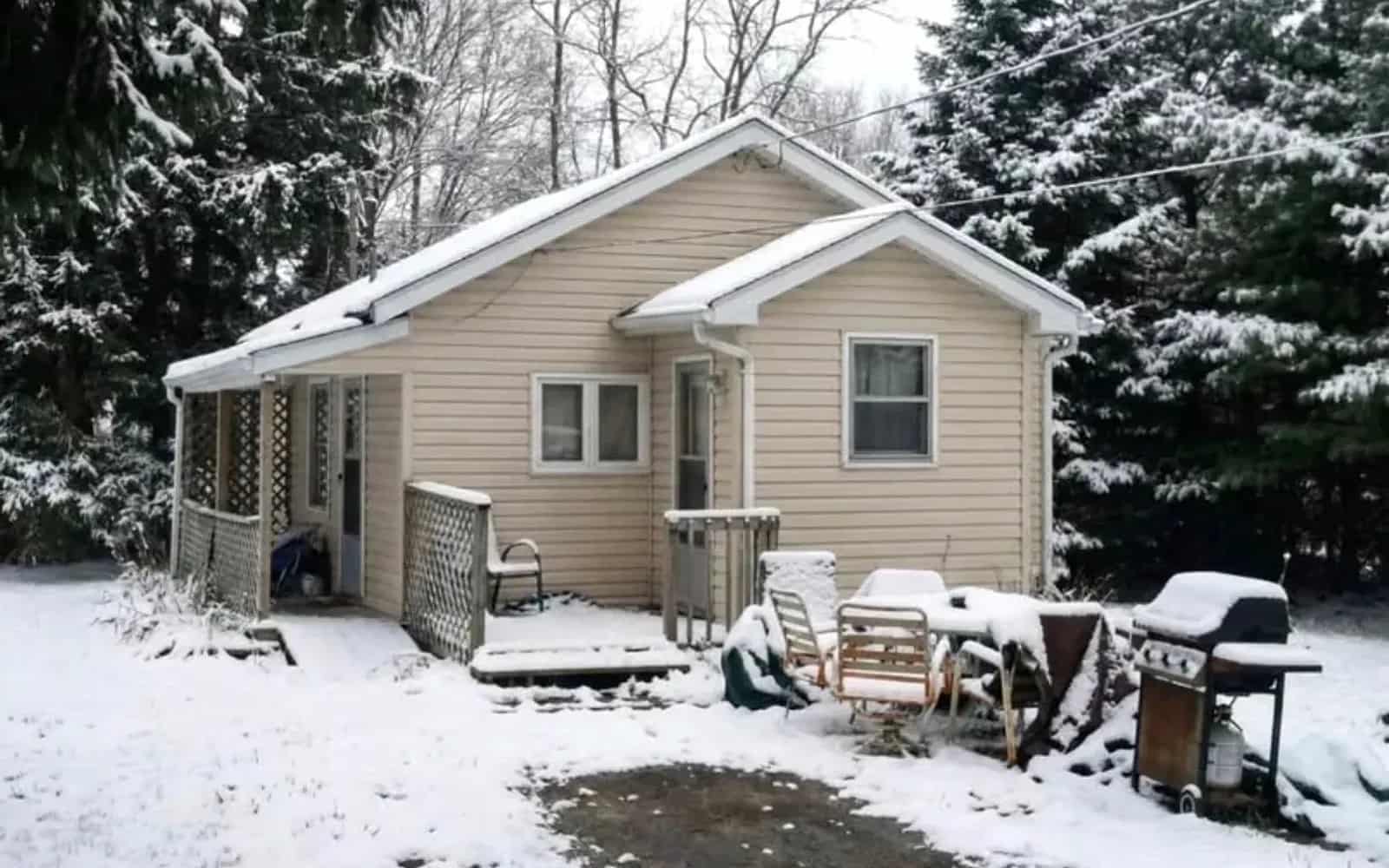
Selling a home because of health problems?
Sell a house due to illness, disability, or a move to care in Ontario, we buy as-is and make it simple and respectful.

- 1Submit or Call
- 2Get a Cash Offer
- 3Close & Get Paid
Step 1
Submit Our Lead Form or Call / Text Us
Step 2
Get a Cash Offer

Step 3
Close and Get Paid

The Short Answer
Yes. If illness, disability or a move to long-term care means the house has to go, you can sell it in Ontario as-is, with no repairs or cleanout. If the owner can't sign, their attorney under a continuing power of attorney for property usually can. We plan closing around hospital stays and care-home dates. Expect a below-market price.
Selling a Home Because of Health? We Make It Simple and Respectful.
When a serious illness, an injury, a disability, or reduced mobility means it's time to let go of the house, the last thing you need is months of repairs, showings, and uncertainty. If you need to sell a house due to health problems in Ontario, your own or a family member's, we can buy it directly, as-is, and on a timeline that fits what's happening in your life.
We purchase houses, condos, bungalows, rentals, cottages, and land anywhere in Ontario for a fair cash price. There's nothing to fix, nothing to stage, and nothing to clean out. If the next step is a retirement residence, assisted living, long-term care, or simply a smaller and safer place to live, we handle the sale with care and let you focus on your health and your family.
When Health or Mobility Makes Selling the Right Choice
- A serious illness or new diagnosis that means the current home no longer works
- An injury or surgery that makes stairs, upkeep, or a large property too much
- A disability or reduced mobility that calls for an accessible, single-level, or supported home
- A planned move to a retirement residence, assisted-living suite, or long-term care
- Rising care or medical costs that make freeing up the home's equity important
- A caregiver or family member who can no longer manage the property from a distance
Can I sell my house to pay for long-term care or a retirement home?
Yes, and it's one of the most common reasons people sell. The two kinds of care are paid for differently, though, and that affects how much money you need and when.
Long-term care homes are funded and regulated by the province. Applications go through Ontario Health atHome, which assesses eligibility and lets you choose up to five homes in order of preference. Residents pay a monthly accommodation charge set by the province, and a rate reduction for basic rooms is available based on income. When a bed is offered, you have 24 hours to accept and up to five days to move in, which rarely lines up with a house sale.
Retirement homes are private, generally paid for by the resident, and licensed by the Retirement Homes Regulatory Authority. Monthly fees depend on the suite and the level of care, so many families sell the house to fund them. How a sale affects income-tested benefits or care subsidies is a question for a financial advisor before you sign.
Why a Traditional Listing Is Hard When You're Not Well
Listing on the market asks a lot of a seller: repairs and updates, professional cleaning, staging, and keeping the home spotless for weeks of showings and open houses. That's demanding for anyone, and it's far more so when you're managing treatment, recovery, or a move to care, or doing all of it for a parent who can't.
Selling directly to us removes those steps. We see the home once, buy it in its current condition, and set the closing around your needs instead of a listing calendar, so nobody has to fix anything, stage a room, or leave for an open house.
Who can sign the sale if the owner can't?
If the owner is mentally capable, they sign, even if they're physically unwell; lawyers regularly arrange signings in hospital rooms and care homes. If capacity is in question, the person who can sign is the attorney named in a continuing power of attorney for property under Ontario's Substitute Decisions Act. A power of attorney for personal care doesn't cover selling property, and a power of attorney that isn't a continuing one stops working if the person loses capacity.
Attorneys have to act in the owner's best interests, keep records, and generally can't benefit themselves from the sale. If two attorneys were named jointly, both usually have to sign. Your lawyer will want to see the original document or a notarial copy before closing.
If there's no power of attorney and the owner can no longer decide, someone has to be appointed. A family member can ask a Superior Court judge to appoint them guardian of property, or, after a formal capacity assessment, the Office of the Public Guardian and Trustee may become statutory guardian, and a family member can then apply to replace it. Both routes take time, so start early if you think a sale may be needed.
How do families coordinate a sale like this?
Most of the sellers we hear from in this situation are adult children, spouses, or relatives working together. It goes more smoothly when one person is the point of contact, usually the attorney for property, and shares every document with the rest of the family at the same time.
Keep the owner involved as much as their health allows; the house is still theirs. Agree on who gets which keepsakes before closing, photograph rooms for relatives who can't be there, and decide early whether furniture is going to the new suite, to family, or staying behind. We're used to working with families in this position and move at a pace that respects everyone involved.
Can I stay in my home until I move?
Yes. You live in your home until the closing date, and you pick that date when you accept our offer. Moving into a retirement home, assisted living, or long-term care rarely happens on a neat schedule, so think about the date carefully: close quickly if funds are needed for a suite, or set a later date if you're still waiting for a room.
If plans change after you've signed, raise it early. Moving a closing date requires both sides to agree in writing, and the sooner the lawyers know, the easier it is to sort out. The aim is that you're never carrying two places longer than necessary, and never pushed out before you're ready.
Get Your Offer
Want a Fair Cash Offer Today?
It only takes a minute. No obligation, no fees, just see what we’d pay for your property.
Leave Behind What You Can't Take With You
Downsizing for health or mobility often means parting with a lifetime of belongings, and moving all of it is exhausting or simply not possible. You don't have to. Take the things that matter, photos, keepsakes, whatever you want, and leave the rest exactly where it is.
We buy the home as-is, furniture and contents included, and clear it out after closing. There's no dumpster to rent, no movers to hire for what you're leaving, and no cleaning crew to book. It's one less thing to manage at an already full time.
Is selling the right move, or are there other options?
A sale isn't the only path, and a sale to us isn't the right one for every family. Consider:
- Staying home with support: Ontario Health atHome can arrange home care services, and grab bars, stair lifts, or a main-floor bedroom can make a house workable for longer.
- A reverse mortgage: lets an owner aged 55 or older borrow against the home without monthly payments and stay put, at the cost of interest that steadily reduces the equity left.
- A family member buying the house at fair market value, which keeps it in the family and avoids a public sale.
- Listing with an agent: usually the highest price, if the home is in good condition and someone can handle repairs, cleaning, and showings over a few months.
- Selling directly to us: a lower price than a polished listing, but an as-is sale, nothing to prepare for buyers, and a closing date that follows the move. It suits families short on time, energy, or proximity.
How a Health-Related Sale With Us Works
- 1
Tell us about the home
Reach us at 647-495-4260, or send a few details online. Family members are welcome to make the first call, and there's no cost or pressure.
- 2
We visit once
A single scheduled walkthrough, booked around appointments and the family's availability. Nothing needs tidying, and nobody has to leave a bedside to be there.
- 3
Get a firm cash offer
Written, all-cash terms, usually within 24 hours of the visit, with no obligation to accept them.
- 4
Close on your date
Pick a closing date that lines up with the move to care, or a quick one if funds are needed now. The paperwork goes through licensed real estate lawyers, and the closing costs are ours to pay.
Why Sell Your Home to Us When Health Is the Reason
- A fair, all-cash price with no financing condition, usually ready within 24 hours
- Sell as-is, no repairs, renovations, staging, or cleaning
- Leave behind anything you can't take with you, no clean-out required
- Close in as little as 7 days, or later to line up with the move to care
- No realtor commissions, listing fees, or drawn-out marketing
- A calm, respectful process for you and your family from start to finish
Properties We Buy Across Ontario
- Single-family homes, bungalows, semi-detached houses, and townhomes
- Condos and apartment units, including accessible or age-friendly suites
- Rental and investment properties, with or without tenants
- Cottages and recreational properties that have become hard to maintain
- Vacant land and building lots
- Older homes that need repairs or aren't set up for reduced mobility
Money, Benefits, and Tax: Talk to the Right Professional
Turning a home into cash can touch on things like income-tested benefits, long-term care costs and subsidies, and, for some properties, capital gains tax. A principal residence you've lived in is generally exempt from capital gains, while a rental or second property may not be.
We're home buyers, not financial or tax advisors, so for anything money-related we'd rather point you to the right expert than guess. A short conversation with an accountant, a financial advisor, or a real estate lawyer before you sell can confirm how a sale fits your circumstances. We're glad to work alongside them on timing.
Health changes are hard enough without a stressful home sale on top of them. Reach out to talk through your situation, with no pressure and no obligation. We'll give you a fair cash offer, work around your timeline, and treat you and your family with respect, anywhere in Ontario.
Common Questions
Frequently Asked Questions
How do I sell my house fast because of health problems in Ontario?
Call or text 647-495-4260 for a fair, all-cash offer, usually within 24 hours. We buy as-is, so there are no repairs, no staging, and no realtor commissions. You can close in as little as 7 days, or choose a later date that lines up with a move to care. We handle the paperwork and keep the process calm.
Can I sell my home to help fund a move to a retirement home or long-term care?
Many owners do exactly this. Selling the family home often frees up the equity needed for a retirement residence, assisted living, or long-term care. We give you a firm cash offer and a flexible closing date so the funds are ready when you need them. For how a sale affects care costs or subsidies, check with a financial advisor first.
Do I have to clean out or fix up the house before selling?
No. Take the things that matter to you and leave the rest, furniture, appliances, and anything you can't move. We buy the home completely as-is and clear it out after closing, so there's no packing marathon, no repairs, and no cleaning crew to arrange. This is one of the biggest reasons people dealing with illness or reduced mobility sell to us.
Can I sell my parent's house if I have power of attorney?
Often, yes. If you hold a valid power of attorney for property, or you're a court-appointed substitute decision-maker, you can usually sign the sale on their behalf. We regularly work with adult children handling a parent's move to care. Your lawyer can confirm your authority and the documents needed, and we'll work at a pace that suits the family.
Will selling my home affect my pension or benefits?
It might, depending on the benefit. Some income-tested programs and long-term care subsidies look at your assets or income, so turning a home into cash can matter. We can't advise on that, but we can time the closing to suit you. Speak with a financial advisor or the relevant program office before you sell so there are no surprises.
How many people will come through my home if I sell to you?
Just our team, once. We arrange a single scheduled walkthrough to see the property and confirm the offer, there are no open houses and no public listing bringing a crowd through while you're unwell. That keeps things private and low-effort for you and your family. After that, we handle the rest and you pick the closing date.
Is there capital gains tax when I sell my home because of illness?
Usually your principal residence is exempt from capital gains tax in Canada, so a home you've lived in typically isn't taxed when you sell. A rental, cottage, or second property is more likely to trigger gains. Because the rules depend on your circumstances, confirm the details with your accountant before closing.
Can you work around a hospital stay, treatment, or recovery?
Yes. We set the timeline around you, not the other way around. If you're in hospital, in rehab, or waiting on a care-home placement, we can hold the closing until you're ready or move quickly if that's what you need. A family member with authority can also handle the details so you can focus on your health.
What kinds of homes do you buy for owners in this situation?
We buy houses, condos, townhomes, bungalows, rentals, cottages, and land across Ontario, including older homes that need work or aren't accessible for someone with mobility challenges. Condition isn't a problem; we purchase as-is and factor it into a fair offer. Whether it's the long-time family home or a rental you can no longer manage, we can help.
Can my family be part of the whole process?
Of course. We're glad to deal with adult children, a spouse, a caregiver, or anyone you trust and authorize to help. Many of our sales involve family working alongside the owner, and we keep everyone informed and move at a respectful pace. If someone holds power of attorney, they can sign on the owner's behalf when needed.
What if a parent with dementia still wants to stay in the house?
Capacity isn't all-or-nothing. A person may be unable to manage money yet still able to say where they want to live, and their wishes matter. Under Ontario's Health Care Consent Act, admission to long-term care needs the person's consent or, if they can't make that decision, their substitute decision-maker's. Talk with the care team and a lawyer before deciding anything about the house.
Can a spouse sell the house if the other spouse is in long-term care?
If it's the matrimonial home, the spouse in care usually still has to consent under Ontario's Family Law Act, even if they aren't on title. When that spouse can't consent because of incapacity, their attorney for property can sign, or a court can be asked to dispense with the consent. A real estate lawyer will check the spousal consent before closing.
Keep Exploring
Explore More Ways We Help
Helpful Guides
Selling in a Specific Situation?
Property Types We Buy
Looking for a fast home buyer in Ontario?
We buy any home, multi-family property, land, industrial, or commercial property quickly and effortlessly.
Our team specializes in fast cash offers, creative solutions, and no realtor fees, helping you avoid the stress and delays of traditional real estate sales. Whether you’re facing financial challenges, a major life change, or just want to sell your property hassle-free, we’re here to help.
- Cash buyers in Ontario, Canada
- No realtor commissions or hidden fees
- Sell any property in any condition
- Close on your terms, as fast as 7 days
At Sell Your Property In Ontario, you stay in control. We make competitive offers so you can close when it works best for you and walk away with cash in hand, fast. With over 20 years of experience helping Ontario homeowners and property owners sell quickly, we are your trusted local cash buyers.
Call or Text: 647-495-4260