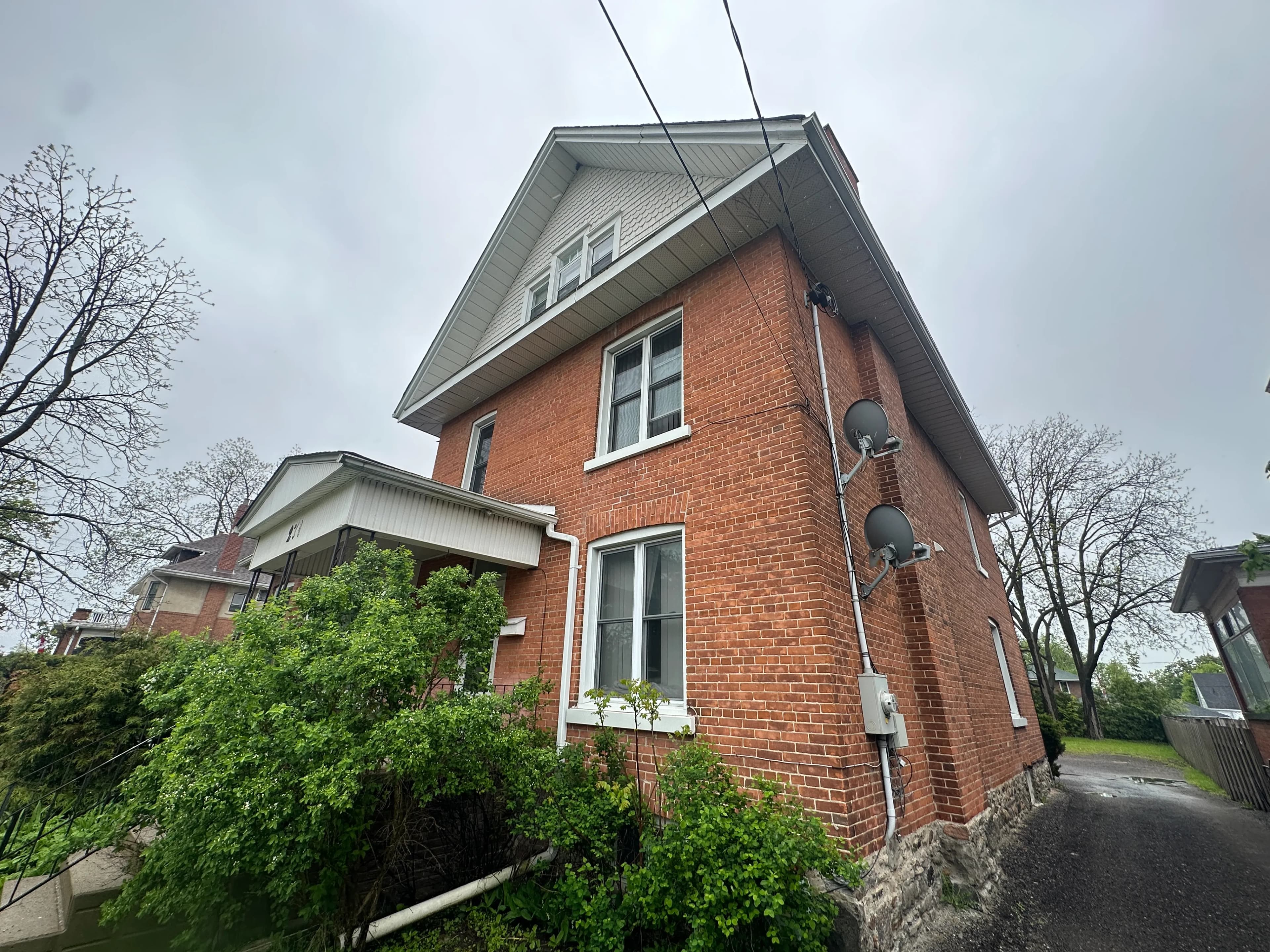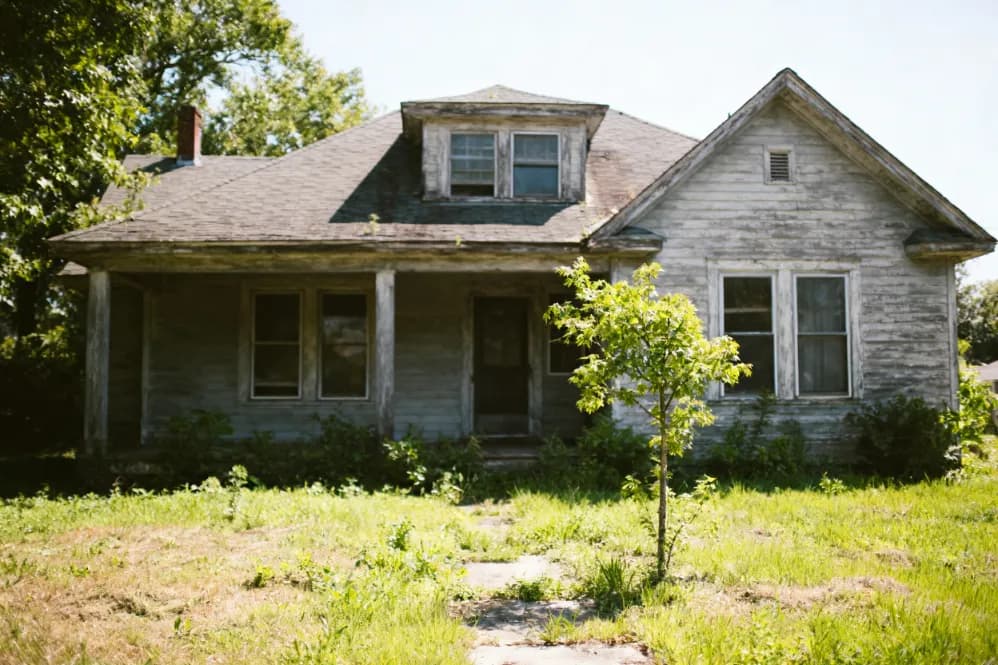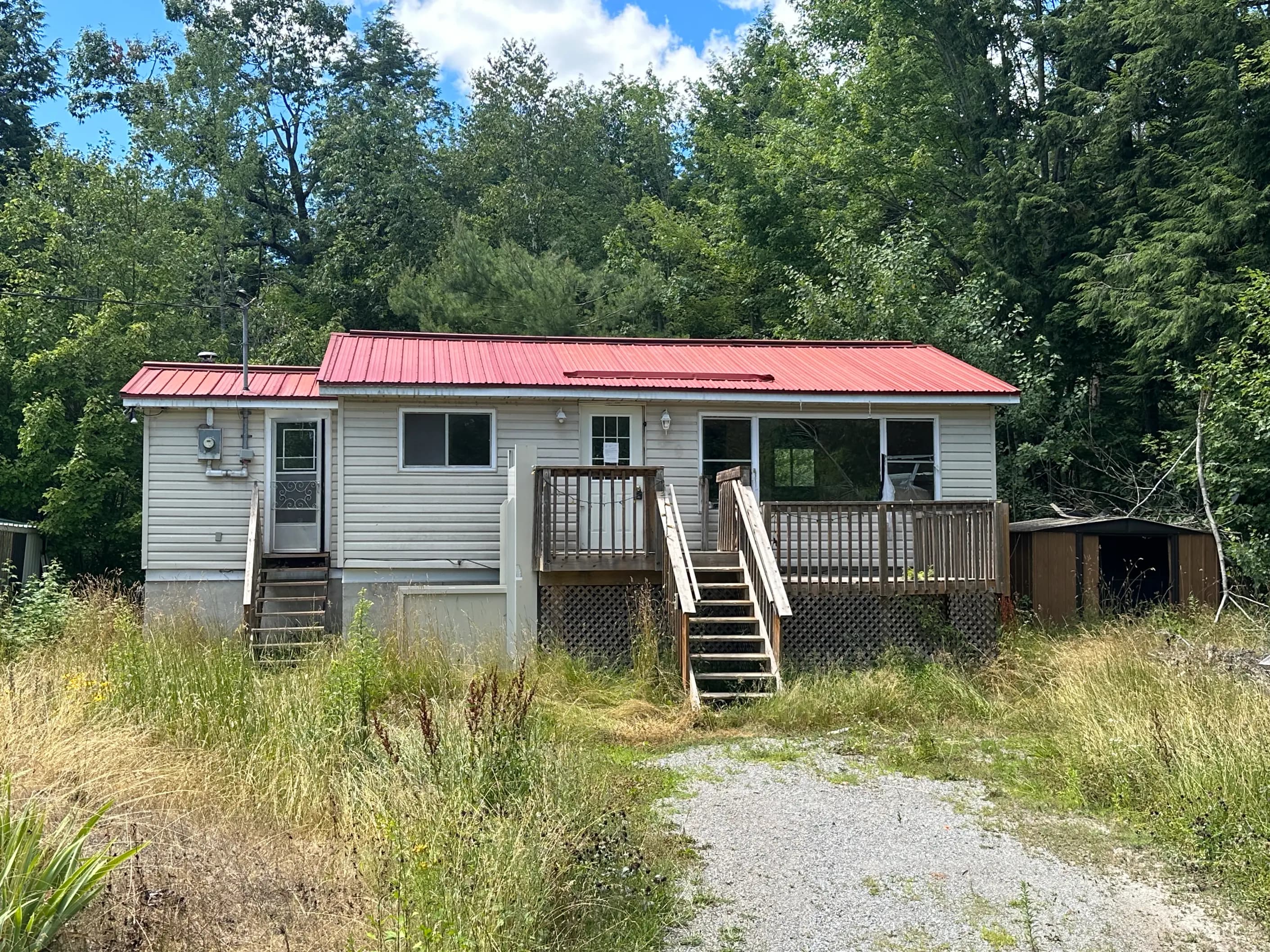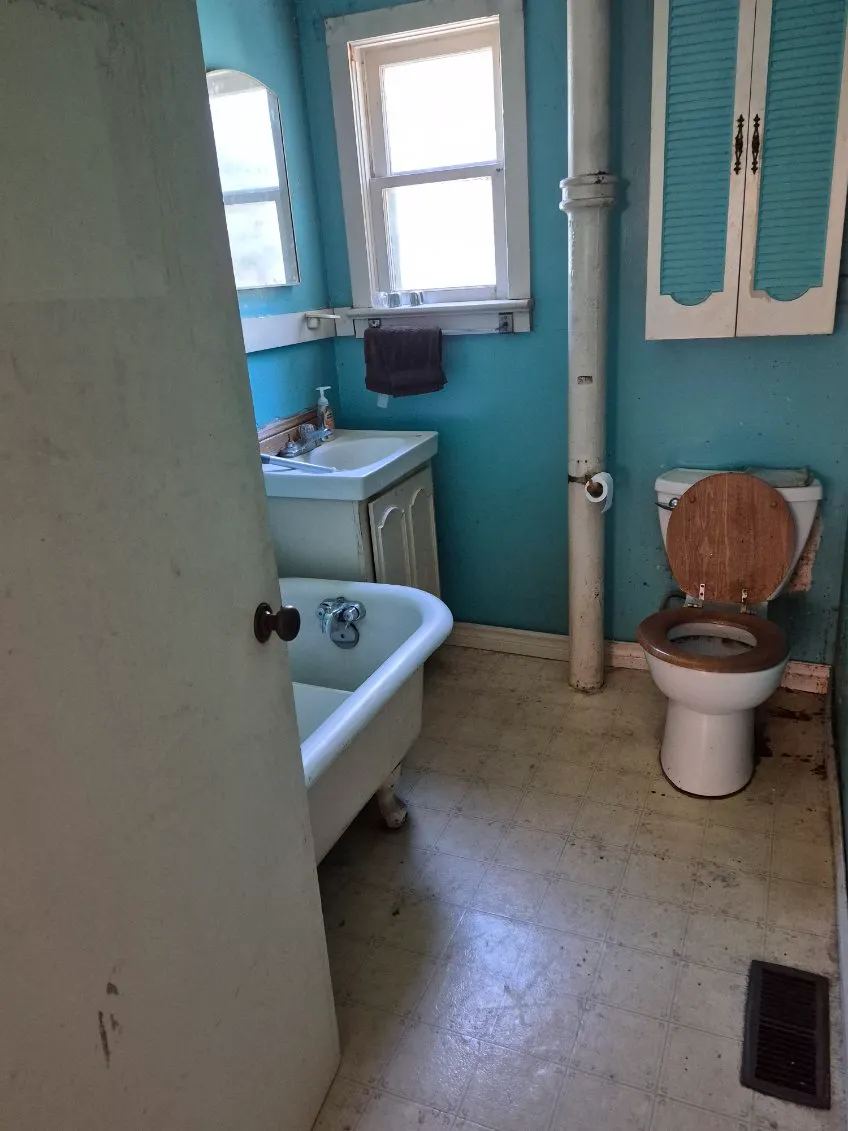
Yes, you can sell a house with knob and tube wiring in Ontario, and you can sell one with asbestos in it too. The real problem isn't the law—it's the mortgage and the insurance. Both of these issues are exactly the kind of thing that makes a lender cautious and an insurer say no, which is why so many traditional buyers get cold feet and walk away days before closing. Once you understand why that happens, you can pick a sale path that actually reaches the finish line.
At Sell Your Property in Ontario, we buy older homes across the province as-is, wiring and insulation and all. This guide explains why these two issues carry so much weight with buyers, roughly what it costs to fix them, what you're required to disclose, and how a cash sale sidesteps the whole insurance-and-mortgage headache.
Why Knob and Tube Wiring Makes a Home Hard to Insure
Knob and tube is the original electrical system in many Ontario homes built before the 1950s. It uses ceramic knobs and tubes to run separate hot and neutral wires through the framing, and it has no ground wire and no modern insulation on the conductors. On its own, undisturbed and well maintained, it can still carry a light load. The trouble is what comes with it: brittle insulation, decades of amateur splices, and connections that can overheat when they're buried under attic insulation or asked to power a modern household of appliances and electronics.
Insurance companies know all of this, so many of them simply refuse to write a policy on a home that still has active knob and tube. Others will only offer coverage if the wiring is inspected, updated, or fully replaced within a set number of days. The Electrical Safety Authority is Ontario's regulator for this work, and any rewiring needs proper permits and inspection.
Here's the chain reaction that kills deals: a buyer needs home insurance to get a mortgage, and a lender will not fund a purchase on a house it can't insure. If the buyer's insurer balks at the wiring, the financing falls apart, and the sale collapses—often after weeks of waiting. This is one of the most common reasons an older Ontario house sits on the market or loses buyer after buyer.
Asbestos and Vermiculite: The Other Deal-Breaker in Older Homes
Asbestos was used in Canadian building materials for most of the twentieth century, and it turns up in homes built or renovated before the 1990s. The usual suspects are vermiculite attic insulation (often the loose, pebbly grey-brown kind sold under the Zonolite name), old nine-inch floor tiles and the black mastic under them, textured "popcorn" ceilings, pipe and duct wrap, and even some drywall joint compound.
Left alone and undisturbed, asbestos generally isn't a hazard. The danger comes when it's disturbed—during a renovation, a demolition, or even a routine repair—and the fibres become airborne. That's why buyers and their inspectors get nervous the moment they see suspicious insulation or a popcorn ceiling. A cautious buyer imagines every future renovation coming with a testing bill and a licensed abatement crew, and a lot of them decide the house is more trouble than it's worth.
What Rewiring and Abatement Actually Cost
Both problems are fixable, but neither is cheap, and both take time and licensed professionals.
Rewiring a home to remove knob and tube means opening walls, running new grounded circuits, updating the panel, pulling permits, and passing an Electrical Safety Authority inspection. The bill scales with the size of the home and how easy the walls are to access—a small bungalow is far less than a large two-storey century home—so plan on a cost that runs from several thousand dollars into the tens of thousands. Get written quotes from licensed electricians before you assume a number.
Asbestos abatement follows its own rules. You can't legally treat it like ordinary demolition; disturbing it triggers Ontario workplace safety requirements, and removal is meant to be done by trained crews using containment and proper disposal. Testing comes first, then the abatement itself, and the total depends on how much material is present and where it is. Vermiculite blown throughout an attic, for example, is a bigger job than a single small tile floor.
Because these costs are real and hard to predict, many owners of older homes decide they'd rather sell as-is than sink money into a house they're leaving anyway. If that's you, our guide on how to sell your property walks through what that looks like start to finish.
What You Have to Disclose in Ontario
Ontario real estate largely runs on caveat emptor—buyer beware—which means you generally aren't required to point out every visible flaw. But there's an important exception: you cannot hide a known latent defect, meaning a hidden problem that makes the home dangerous or unfit to live in. Knowingly concealing active knob and tube or disturbed, deteriorating asbestos can cross that line and expose you to a lawsuit after closing.
The safest approach is straightforward honesty. If you know the home has knob and tube or asbestos-containing materials, say so. If a seller disclosure form comes up, answer it truthfully rather than guessing. Being upfront doesn't just protect you legally—it also filters out buyers who'd only back out later, and it's exactly the kind of property a cash buyer is prepared to take on.
This isn't legal, financial, or tax advice—every situation turns on its own facts, so confirm the specifics with a real estate lawyer, accountant, or Licensed Insolvency Trustee before making an irreversible decision.
Your Options for Selling an Older Home
When your home has wiring or insulation that scares off the mainstream market, you generally have three routes:
- List with a Realtor. You may reach a higher headline price, but you'll likely face repair demands, financing conditions, and buyers whose insurers refuse the wiring. Expect a longer timeline and a real chance the deal falls through at the insurance stage.
- Fix it first, then sell. Rewiring and abatement can make the home broadly marketable, but you're fronting tens of thousands of dollars and months of work on a property you're selling anyway.
- Sell as-is to a cash buyer. No repairs, no abatement, no financing condition to unravel. You trade a bit of top-end price for certainty and speed.
For owners in older neighbourhoods—think the century homes of Toronto, the pre-war streets of Hamilton, or the established core of Ottawa—that third option is often the difference between a sale that closes and one that keeps collapsing.
How a Cash Buyer Takes an Older Home As-Is
This is where a direct sale really earns its keep. Because we buy with our own funds rather than a bank's mortgage, the insurance-and-financing chain that breaks traditional deals simply doesn't apply. We already expect to handle the rewiring, the abatement, and whatever else the home needs after closing—that's built into how we work.
The process is simple. You reach out, we arrange one scheduled walkthrough of the property, and we make a fair cash offer—usually within 24 hours. There are no open houses, no staging, no commissions, and no fees. You can leave behind anything you don't want to move. Closings are flexible and can happen in as little as 7 days, though most land in the 7 to 15 day range depending on what works for you.
The result is a fast, reliable sale on a house that the open market treats as a problem—without you spending a dollar on electricians or abatement crews first.
Get a Cash Offer for Your Older Ontario Home
If your house has knob and tube wiring, asbestos, or both, you don't have to rewire it or gut the attic to sell it. At Sell Your Property in Ontario, we buy older homes across the province exactly as they stand, and we handle the parts that make buyers nervous.
📞 Contact us today at 647-495-4260 for a free, no-obligation cash offer on your home.