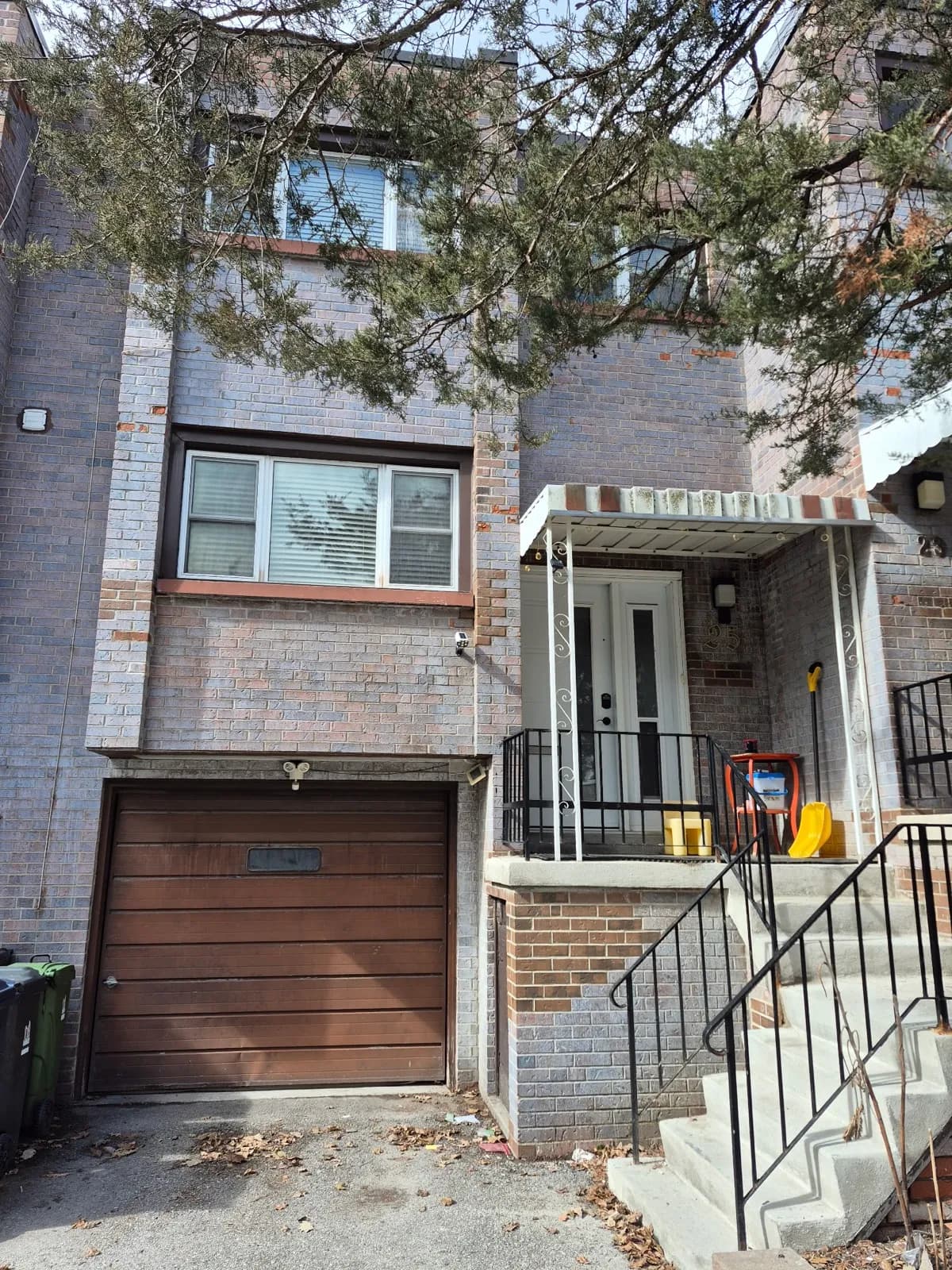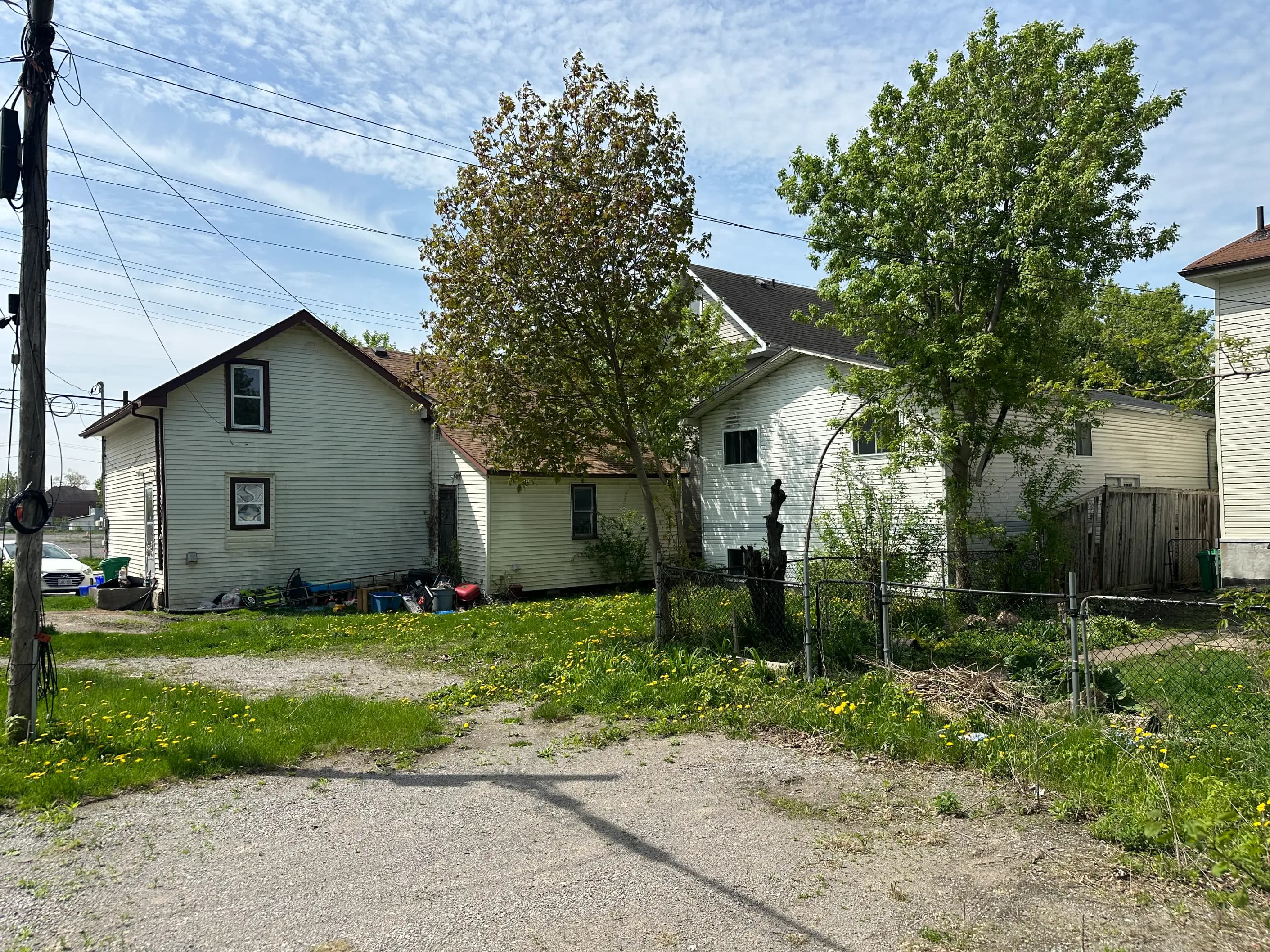
If you own a rental in Ontario and you're wondering whether you have to wait for a vacancy before you can put it on the market, here's the short answer: you don't. You can sell a tenant-occupied rental in Ontario with the tenants right where they are. The tenancy doesn't disappear when the property changes hands—it travels with the building to the new owner.
At Sell Your Property in Ontario, we buy tenanted rentals across the province as-is, so you don't have to time your sale around lease renewals or turnover. Below is a plain-English look at how tenancies transfer, when a buyer can actually ask a tenant to move, and how the sale works in practice.
The Lease and Tenancy Transfer to the New Owner
Under the Residential Tenancies Act (RTA), a tenancy is attached to the unit, not to you personally. When you sell, the buyer steps into your shoes as landlord and inherits the existing arrangement exactly as it stands. In practical terms:
- The current lease stays in force on the same terms.
- The rent stays the same—a change of ownership is not a reason to raise it.
- The last month's rent deposit (and any interest owed on it) carries over to the buyer.
- The tenant keeps every right they had before, including security of tenure.
If the tenant is on a fixed-term lease, that term simply continues under the new owner. Once it ends, the tenancy automatically rolls over to month-to-month—it does not need a formal renewal, and the tenant does not have to move out just because the original term expired. Whether it's a single condo unit, a duplex, or a small rental property with a couple of units, the same principle applies: the people living there stay, and their agreement comes with them.
Selling to Another Investor: The Tenant Stays
Plenty of buyers actively want a tenant already in place—it's rental income from the day they close, with no vacancy gap and no need to advertise the unit. If you sell to another investor or landlord, nothing has to change for the tenant. They keep paying the same rent to a new owner, and the buyer picks up a property that's already earning.
For a reliable, paying tenant, this is often the cleanest path of all: you get to sell, the buyer gets a performing asset, and nobody has to pack a single box. If your situation happens to be the opposite—say you're dealing with problem tenants or a unit that's fallen behind—the approach shifts a little, but you can still sell without sorting everything out first.
When a Buyer Can Ask Tenants to Move: The N12
There is really only one situation where a tenant may have to leave because of a sale: when the buyer, or a close family member of the buyer, is going to move into the unit and live there. That's handled through an N12 notice (landlord's or purchaser's own use), and it comes with strict conditions that exist to protect tenants:
- It's only valid if the buyer—or the buyer's spouse, child, or parent (or their spouse's child or parent)—genuinely intends to move in and occupy the unit for at least one year.
- It cannot be used just to free up a vacant unit for resale or to re-rent to someone else at a higher price. The RTA requires the intention to be in good faith.
- The tenant must receive at least 60 days' written notice, and that notice has to end on the last day of a rental period (or the end of a fixed term).
- The tenant is owed one month's rent as compensation—or the offer of another acceptable unit—and it must be paid before the termination date.
In a sale, the seller usually serves the N12 on the buyer's behalf once an agreement of purchase and sale is signed. If the tenant is on a fixed-term lease, the buyer generally can't take possession before that term runs out. And if a tenant believes an N12 was served in bad faith, they can dispute it at the Landlord and Tenant Board (LTB)—which is exactly why this route only makes sense when the buyer truly plans to live there. If the buyer is an investor keeping the unit rented, the N12 doesn't come into it at all: the tenant simply stays.
Your Options for Selling a Tenanted Rental
Broadly, you have three routes, and the tenant's presence affects each one differently:
- List on the MLS with a Realtor. This gives you the widest exposure, but a tenant-occupied unit narrows your buyer pool, because many traditional buyers want vacant possession so they can move in. A proper listing also means staging, open houses, and scheduled showings that all have to be arranged around your tenant's rights and reasonable notice—and it can take months.
- Sell privately to an investor. The tenant stays, the income continues, and you skip the vacancy question entirely. The trade-off is finding the right investor buyer on your own.
- Sell to a cash buyer as-is. The fastest, lowest-effort option: no repairs, no commissions, and no need to end the tenancy before closing.
You can read the full walk-through of the process on our how it works page.
How a Cash Buyer Purchases a Tenanted Rental
When you sell to a cash buyer like us, the fact that the tenancy transfers is a feature rather than a problem. Here's what to expect:
- We buy as-is, tenant in place—there's no need to renovate, clean out, or wait for a vacancy.
- We don't ask you to end the tenancy or move anyone out before we close.
- We can make a cash offer within 24 hours and close in as little as 7 days, typically 7 to 15, on a timeline that suits you.
- No commissions, no fees, no staging, and no open houses.
- We do one scheduled walkthrough to see the property; after that, the paperwork is straightforward.
Whether your rental is a downtown condo, a student rental in Hamilton, or a house in a small town up north, we buy right across Ontario—and the existing tenants keep the home and the rights they already have.
A Quick Note on the Law
This isn't legal advice—every tenancy turns on its own facts, and the rules under the Residential Tenancies Act and the process at the Landlord and Tenant Board can get detailed. Before you serve any notice or sign an agreement, confirm the specifics with a real estate lawyer or the LTB so you know exactly where you and your tenant stand.
Get a Cash Offer for Your Tenant-Occupied Rental in Ontario
If you're ready to sell a rental and would rather not wait for a vacancy, we make it simple. At Sell Your Property in Ontario, we buy tenant-occupied houses, condos, and small multi-units across the GTA and Ontario—no evictions, no renovations, and no listing headaches required.
📞 Contact us today at 647-495-4260 for a fair, no-obligation cash offer, or reach out through our contact page and we'll take it from there.