You accepted an offer, the buyer sent in their inspector, and now the deal is falling apart. It is a frustrating spot, but it is far more common than most sellers realize—and it does not mean your house is unsellable. When a sale fell through after a home inspection in Ontario, you generally have four honest paths forward: renegotiate the price, complete the repairs yourself, relist and re-disclose what was found, or sell as-is to a cash buyer whose offer is not tied to an inspection or financing condition.
At Sell Your Property in Ontario, we talk to homeowners every week whose closing collapsed at the eleventh hour. Below, we walk through why these deals fall through, what each of your options actually involves, and how selling directly can take the inspection and financing risk off the table entirely.
Why Deals Collapse After the Buyer's Inspection
There is no official "pass" or "fail" on a home inspection—the term "failed home inspection" really just describes a buyer walking away, or trying to renegotiate, after their inspector's report. A few things tend to trigger it:
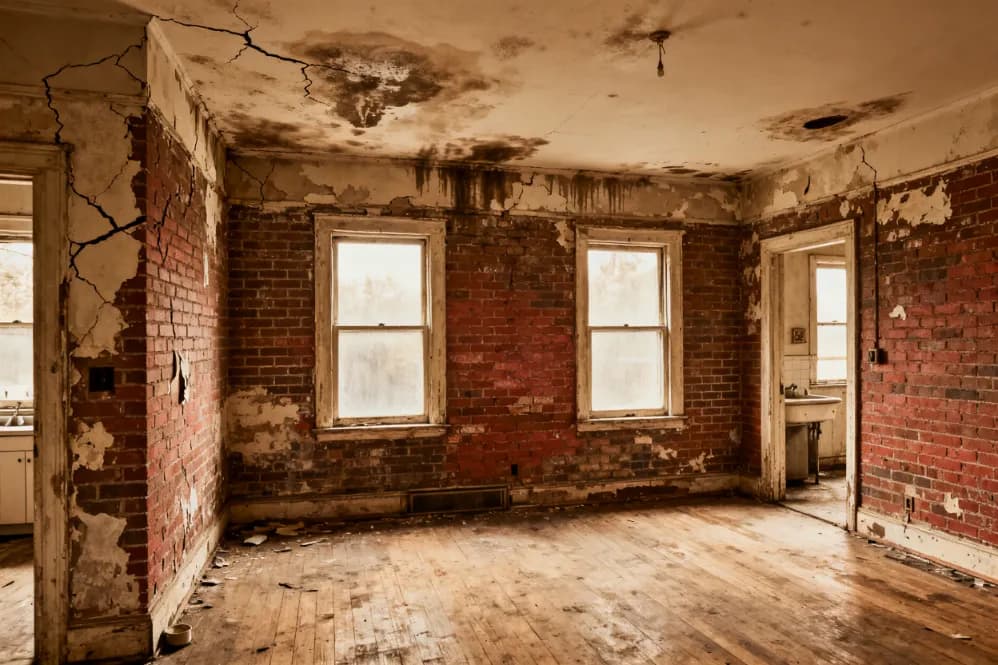
- Surprise repairs. The inspector flags something the buyer did not budget for—an aging roof, knob-and-tube or aluminum wiring, a cracked foundation, mould, a failing furnace, or an old oil tank. Sticker shock sets in and the buyer gets cold feet.
- Financing conditions. Many offers are conditional on both inspection and financing. If the lender's appraisal comes in low, or the buyer's mortgage approval falls apart, the deal dies even when the house is fine.
- Cold feet dressed up as a repair request. Sometimes a buyer who is having second thoughts uses the inspection report as an exit ramp, asking for a credit so large it is really a polite way of walking away.
None of these mean you did anything wrong. They mean the conditions in a typical Ontario purchase agreement gave the buyer a way out, and they took it.
Option 1: Renegotiate the Price or Offer a Credit
If the buyer still wants the home but is spooked by the repair estimate, the fastest fix is often a price adjustment or a closing credit. Get an independent quote from a licensed contractor so you are negotiating against a real number, not the inspector's worst-case guess.
The upside is you may keep the deal alive without lifting a hammer. The downside is you are now selling for less, on a shortened timeline, to a buyer who has already shown they are nervous—and there is no certainty a second condition (like financing) will not sink it anyway.
Option 2: Do the Repairs Yourself
You can also complete the flagged repairs and keep the price where it was. This makes sense when the issue is contained and affordable, and when you have the time and cash to fix it properly with receipts and permits in hand.
Be realistic, though. Major items—roofs, foundations, electrical rewiring, remediation—take time and money, and once one deal has fallen through you are often paying to carry the house (mortgage, taxes, insurance, utilities) while the work drags on. If you are already behind on payments or heading toward a power of sale, a repair timeline you cannot afford can make a stressful situation worse.
Option 3: Relist and Re-Disclose What Was Found
Putting the home back on the market is a legitimate choice, but Ontario sellers need to be careful here. Once you know about a material defect—say, the inspector found a foundation crack or active mould—you generally cannot pretend you do not. Latent defects that make a home dangerous or unfit are the ones you have a duty to disclose, and hiding a known problem can expose you to a lawsuit after closing.
A traditional relisting also means starting over: showings, open houses, staging, and weeks or months of waiting for the next buyer—who will send in their own inspector and may raise the very same issues. It can work, but it is the slowest and least certain route.
Option 4: Sell As-Is to a Cash Buyer
The fourth option is to sell the house as-is to a direct buyer whose offer is not conditional on a buyer's inspection or a lender's approval. This is where a company like ours fits in. We buy houses across Ontario in their current condition—the roof, the wiring, the foundation, the mould, all of it—so the very things that scared off your last buyer are already priced into a straightforward cash offer.
You are not chasing repairs, you are not staging, and you are not hosting open houses. You get to move on without a second deal collapsing on you.
How Selling Direct Removes the Fall-Through Risk
The reason a direct sale is more certain is simple: we remove the two conditions that kill most deals.
- No inspection contingency. We do one scheduled walkthrough to understand the property and prepare our offer. That offer already accounts for the home's condition, so there is no post-inspection renegotiation and no repair list to satisfy.
- No financing condition. Because we buy with our own funds, there is no lender, no appraisal, and no mortgage approval that can fall apart at the last minute.
Here is how the process typically works with Sell Your Property in Ontario:
- You tell us about the property and share the inspection report if you have one—it actually helps us make a fair offer.
- We arrange a single walkthrough at a time that suits you.
- You receive a fair, no-obligation cash offer, often within 24 hours.
- If you accept, you pick the closing date. We can close in as little as 7 days, though 7–15 days is more typical, and there are no commissions or fees on your side.
This will not always beat a top-dollar retail price on the open market—an as-is cash sale trades a little on price for speed and certainty. But when a deal has already died once and the carrying costs are stacking up, that certainty is often worth far more than another round of "maybe." If you want to see how the whole thing works before deciding, our how to sell your property page walks through it step by step, and we serve homeowners from Toronto to small towns across the province.
A Quick Note on Disclosure and Advice
Whichever path you choose, be honest about what the inspection turned up. This isn't legal, financial, or tax advice—every situation turns on its own facts, so confirm the specifics with a real estate lawyer or accountant before making an irreversible decision, especially around disclosure obligations or a pending power of sale.
Get a Firm Offer After a Failed Inspection
A collapsed deal is a setback, not a dead end. Whether the last buyer balked at repairs or their financing fell apart, you still have real, workable options—and one of them is a fast, as-is sale with no inspection or financing strings attached.
📞 Contact us today for a fair, no-obligation cash offer on your Ontario home. Call 647-495-4260 or reach out through our contact page, and let's get you a certain sale this time.